

Introduction
Understanding the causes, symptoms, and treatment of common diseases is one of the most important steps toward maintaining good health. Every day, millions of people experience illnesses ranging from the common cold and seasonal flu to diabetes, hypertension, and digestive disorders. While many diseases are mild and disappear with proper care, others require early diagnosis and long-term medical management.
Knowing how diseases develop, recognizing their warning signs, and seeking timely treatment can prevent serious complications. Early intervention not only improves recovery but also reduces healthcare costs and enhances overall quality of life. In addition, learning about disease prevention empowers individuals to make healthier lifestyle choices.
Many common diseases share similar symptoms such as fever, fatigue, coughing, headaches, or body aches. Because of this overlap, self-diagnosis can sometimes be misleading. Professional medical advice is always the safest option when symptoms persist or become severe.
This comprehensive guide explains the causes, symptoms, and treatment of common diseases in simple language suitable for beginners and intermediate readers. You’ll also discover practical prevention strategies, common mistakes to avoid, expert tips, and answers to frequently asked questions. Whether you’re looking to improve your health knowledge or help your family stay healthy, this article provides valuable information that is easy to understand and apply.
What Are Causes, Symptoms, and Treatment of Common Diseases?
The phrase causes, symptoms, and treatment of common diseases refers to understanding three essential aspects of illnesses:
- Causes: Factors responsible for developing a disease.
- Symptoms: Physical or mental signs indicating illness.
- Treatment: Medical or supportive care used to manage or cure the disease.
Diseases can result from infections, unhealthy lifestyles, genetic conditions, environmental exposure, nutritional deficiencies, or aging. Learning these factors allows people to recognize health problems early and seek appropriate care.
Healthcare professionals use medical history, physical examinations, laboratory tests, and imaging studies to diagnose diseases accurately before recommending treatment.
Why Is Understanding Causes, Symptoms, and Treatment of Common Diseases Important?
Health education benefits everyone regardless of age. Understanding diseases helps individuals make informed decisions about their well-being.
Some major benefits include:
- Earlier detection of illnesses
- Faster medical treatment
- Reduced risk of complications
- Better disease prevention
- Improved family health awareness
- Lower healthcare expenses
- Healthier lifestyle habits
For example, recognizing early symptoms of high blood pressure may encourage someone to visit a doctor before complications such as stroke or heart disease occur.
Similarly, understanding diabetes symptoms allows patients to begin treatment before serious damage affects the eyes, kidneys, or nerves.
Detailed Step-by-Step Guide
Step 1: Understand the Main Causes of Common Diseases
Diseases develop for many different reasons. Identifying these causes helps reduce health risks.
1. Viral Infections
Viruses invade healthy cells and multiply inside the body.
Examples include:
- Common cold
- Influenza
- Viral hepatitis
- COVID-19
Symptoms often include fever, cough, fatigue, sore throat, and body aches.
2. Bacterial Infections
Bacteria can infect various organs and tissues.
Common examples include:
- Pneumonia
- Urinary tract infections
- Strep throat
- Tuberculosis
Many bacterial infections require antibiotics prescribed by a healthcare professional.
3. Fungal Infections
Fungi thrive in warm, moist environments.
Common fungal diseases include:
- Athlete’s foot
- Ringworm
- Nail fungus
- Oral thrush
Good hygiene significantly reduces fungal infections.
4. Parasitic Diseases
Parasites survive by living inside or on another organism.
Examples include:
- Malaria
- Intestinal worms
- Scabies
These diseases often spread through contaminated food, water, insects, or poor sanitation.
5. Lifestyle Factors
Modern lifestyles contribute to numerous chronic illnesses.
Risk factors include:
- Smoking
- Excessive alcohol use
- Poor diet
- Lack of exercise
- Chronic stress
- Insufficient sleep
These habits increase the likelihood of obesity, diabetes, hypertension, and heart disease.
6. Genetic Factors
Some diseases run in families.
Examples include:
- Certain cancers
- Type 1 diabetes
- Sickle cell disease
- High cholesterol
Although genetics cannot be changed, early screening helps manage many inherited conditions.
7. Environmental Factors
Environmental exposure also affects health.
Examples include:
- Air pollution
- Contaminated drinking water
- Chemical exposure
- Poor sanitation
- Extreme temperatures
Reducing environmental risks improves long-term health outcomes.
Step 2: Learn the Common Symptoms of Diseases
Recognizing symptoms early allows quicker treatment.
Fever
Often indicates infection or inflammation.
Persistent Cough
May result from viral infections, allergies, asthma, or lung diseases.
Fatigue
Ongoing tiredness can signal anemia, diabetes, infections, thyroid disorders, or poor sleep.
Headache
Common causes include dehydration, stress, migraines, infections, or high blood pressure.
Shortness of Breath
Requires prompt evaluation because it may indicate asthma, pneumonia, heart disease, or lung disorders.
Chest Pain
Chest pain should never be ignored. Immediate medical attention is necessary to rule out serious conditions such as a heart attack.
Digestive Problems
Symptoms may include:
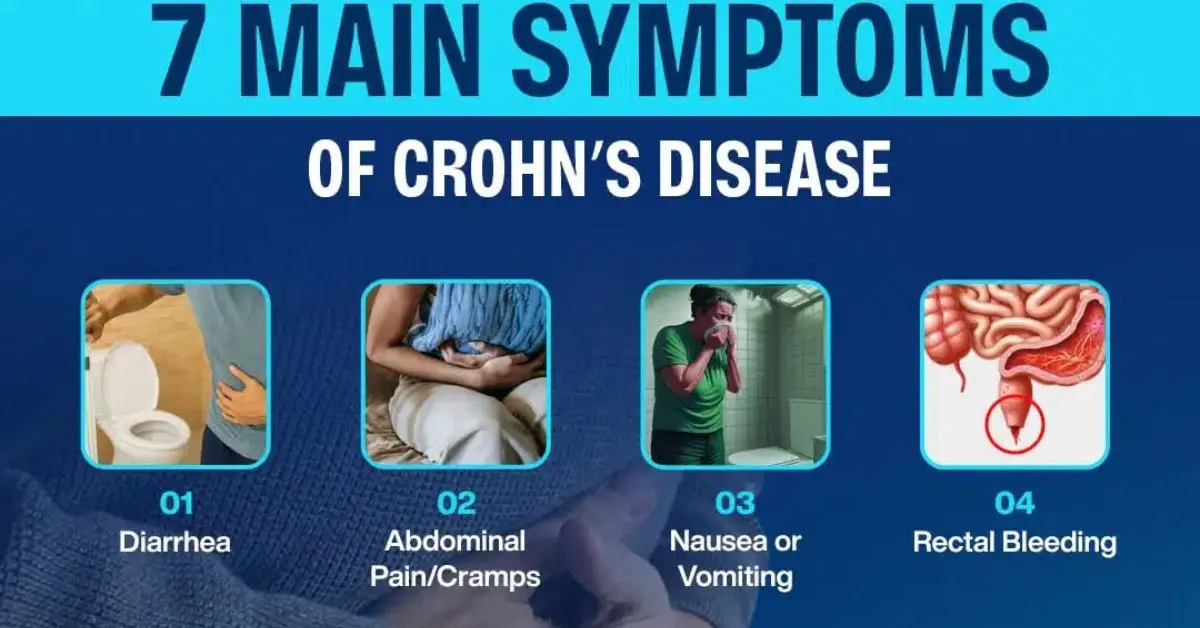
- Nausea
- Vomiting
- Diarrhea
- Constipation
- Stomach pain
- Heartburn
Digestive issues may result from infections, food intolerance, ulcers, or chronic gastrointestinal diseases.
Skin Changes
Watch for:
- Persistent rashes
- Itching
- Swelling
- Unusual moles
- Skin discoloration
These signs may indicate infections, allergies, autoimmune diseases, or skin disorders.
Step 3: Understand Treatment Options
Treatment depends on the underlying cause and severity of the disease.
Medications
Doctors may prescribe:
- Antibiotics for bacterial infections
- Antiviral medicines for selected viral illnesses
- Antifungal drugs
- Anti-inflammatory medicines
- Pain relievers
Always complete prescribed treatments exactly as instructed.
Lifestyle Changes
Many chronic diseases improve through healthier habits.
Recommended changes include:
- Eating a balanced diet
- Exercising regularly
- Sleeping 7–9 hours nightly
- Managing stress
- Maintaining a healthy weight
- Avoiding tobacco
- Limiting alcohol intake
Lifestyle improvements often enhance the effectiveness of medical treatment.
Home Care
For mild illnesses, supportive care may include:
- Drinking plenty of fluids
- Resting adequately
- Eating nutritious foods
- Monitoring symptoms
- Following healthcare advice
However, symptoms that worsen or persist should always be evaluated by a healthcare provider.
Step 4: Know When to Seek Medical Attention
While many illnesses improve with rest and home care, certain symptoms require immediate medical evaluation. Seeking timely care can prevent complications and improve recovery.
Consult a healthcare professional if you experience:
- A high fever that lasts more than a few days
- Difficulty breathing or severe shortness of breath
- Persistent chest pain
- Severe dehydration from vomiting or diarrhea
- Confusion, fainting, or sudden weakness
- Unexplained weight loss
- Symptoms that worsen despite treatment
- A persistent cough lasting several weeks
Routine health checkups are equally important, especially for individuals with chronic conditions such as diabetes or high blood pressure.
Step 5: Prevent Common Diseases
Prevention is one of the most effective ways to stay healthy. Small, consistent lifestyle changes can significantly reduce the risk of many illnesses.
Maintain Good Hygiene
Proper hygiene helps prevent the spread of infectious diseases.
Good habits include:
- Washing hands regularly with soap and water
- Covering your mouth when coughing or sneezing
- Keeping food preparation areas clean
- Avoiding close contact with people who are ill
Eat a Balanced Diet
A nutritious diet strengthens the immune system and supports overall health.
Include:
- Fresh fruits
- Vegetables
- Whole grains
- Lean proteins
- Healthy fats
- Plenty of water
Limit sugary drinks, processed foods, and excessive salt.
Stay Physically Active
Aim for at least 150 minutes of moderate physical activity each week. Walking, cycling, swimming, or light jogging can improve heart health, strengthen muscles, and reduce the risk of chronic diseases.
Get Enough Sleep
Quality sleep allows the body to repair itself and supports a healthy immune system. Adults generally benefit from seven to nine hours of sleep each night.
Stay Up to Date With Vaccinations
Vaccines protect against many serious infectious diseases and help reduce community spread.
Manage Stress
Long-term stress can weaken immunity and contribute to several health conditions. Relaxation techniques, hobbies, exercise, and spending time with loved ones can help manage stress effectively.
Benefits of Understanding Causes, Symptoms, and Treatment of Common Diseases
Learning about common diseases offers many advantages:
- Promotes early detection of illnesses.
- Encourages timely medical consultation.
- Helps prevent avoidable complications.
- Improves personal and family health awareness.
- Supports healthier lifestyle decisions.
- Reduces unnecessary panic during minor illnesses.
- Encourages preventive healthcare practices.
- Improves long-term quality of life.
- Helps individuals manage chronic conditions more effectively.
- Builds confidence when discussing health concerns with healthcare providers.
Disadvantages and Risks
Although health knowledge is valuable, there are potential risks if information is misunderstood or misused.
- Self-diagnosing without professional advice can lead to incorrect treatment.
- Ignoring persistent symptoms may delay diagnosis.
- Overusing antibiotics can contribute to antibiotic resistance.
- Relying on unverified home remedies may worsen certain illnesses.
- Excessive online research may create unnecessary anxiety.
- Delaying emergency care can increase the risk of serious complications.
Always use reliable medical information and consult a qualified healthcare professional for diagnosis and treatment.
Common Mistakes to Avoid
Many people unintentionally make choices that delay recovery or increase health risks.
Avoid these common mistakes:
- Ignoring early warning signs.
- Stopping prescribed medications too soon.
- Sharing prescription medicines with others.
- Skipping regular health screenings.
- Eating an unhealthy diet while recovering.
- Continuing to smoke despite illness.
- Assuming every fever requires antibiotics.
- Delaying medical consultation for severe symptoms.
- Neglecting hydration during illness.
- Depending entirely on internet advice without medical evaluation.
Making informed decisions leads to better health outcomes.
Frequently Asked Questions (FAQs)
1. What are the most common diseases worldwide?
Common diseases include the common cold, influenza, diabetes, high blood pressure, asthma, allergies, stomach infections, arthritis, and respiratory infections. Their frequency varies depending on age, lifestyle, and geographic location.
2. Can common diseases be prevented?
Many common diseases can be prevented through healthy eating, regular exercise, proper hygiene, vaccination, adequate sleep, stress management, and routine medical checkups.
3. When should I visit a doctor?
You should seek medical advice if symptoms become severe, persist longer than expected, interfere with daily activities, or include chest pain, breathing difficulty, prolonged fever, severe dehydration, or sudden confusion.
4. Why is early diagnosis imporant?
Early diagnosis allows treatment to begin before complications develop. It often results in faster recovery, better disease control, lower treatment costs, and improved long-term health.
5. Are antibiotics effective for every infection?
No. Antibiotics only treat bacterial infections. They do not cure viral illnesses such as the common cold or most cases of influenza. Misusing antibiotics contributes to antibiotic resistance.
6. What lifestyle habits reduce disease risk?
Healthy habits include eating nutritious foods, staying physically active, maintaining a healthy weight, avoiding tobacco, limiting alcohol, getting enough sleep, managing stress, and attending routine health screenings.
7. Can stress contribute to physical illness?
Yes. Chronic stress may weaken the immune system and increase the risk of heart disease, digestive problems, sleep disorders, anxiety, and depression. Managing stress is an important part of maintaining overall health.
Expert Tips & Bonus Points
Healthcare professionals recommend focusing on prevention rather than waiting for illness to occur.
Helpful tips include:
- Schedule routine health checkups even if you feel well.
- Monitor blood pressure, blood sugar, and cholesterol when appropriate.
- Read medication labels carefully.
- Drink enough water throughout the day.
- Practice food safety when preparing meals.
- Keep emergency medical contact information readily available.
- Build a consistent exercise routine instead of occasional intense workouts.
- Avoid smoking and limit alcohol consumption.
- Learn your family’s medical history to understand inherited health risks.
- Never ignore unusual or persistent symptoms.
Small daily habits often have the greatest impact on lifelong health.
Conclusion
Understanding the causes, symptoms, and treatment of common diseases empowers individuals to take control of their health and make informed decisions. While illnesses are a normal part of life, recognizing early warning signs and responding appropriately can prevent many complications. Knowledge also encourages healthier habits that reduce the likelihood of developing both infectious and chronic diseases.
Good health is built on consistent choices. Eating nutritious foods, staying physically active, maintaining proper hygiene, getting enough sleep, managing stress, and attending regular medical checkups all contribute to disease prevention. When illness does occur, seeking professional medical advice and following recommended treatments can significantly improve recovery and overall well-being.
It is equally important to avoid self-diagnosis and unnecessary medication use. Reliable medical guidance ensures that treatments are appropriate for the specific condition and helps reduce avoidable risks. Preventive healthcare remains one of the most effective investments anyone can make.
By learning about the causes, symptoms, and treatment of common diseases, individuals become better equipped to protect themselves, support their families, and promote healthier communities. Staying informed, practicing prevention, and seeking timely medical care are the foundations of a healthier, more active, and more fulfilling life.
