


Introduction
Every day, people come into contact with countless germs at home, school, work, and in public places. While many of these microorganisms are harmless, others can cause illnesses that spread quickly from person to person. Following an Infectious Diseases Prevention Guide is one of the most effective ways to protect yourself, your family, and your community from preventable infections.
An Infectious Diseases Prevention Guide focuses on practical habits that reduce the spread of bacteria, viruses, fungi, and parasites. From washing your hands correctly to staying up to date with vaccinations, these simple actions can significantly lower the risk of getting sick. Prevention is always easier, safer, and more affordable than treating a disease after it develops.
Whether you’re a student, working professional, parent, or senior citizen, understanding how infectious diseases spread can help you make smarter health decisions. Small daily habits often have the biggest impact on long-term wellness.
This comprehensive Infectious Diseases Prevention Guide explains the causes of infectious diseases, why prevention matters, and the best practices you can follow every day. By applying these recommendations consistently, you’ll improve your overall health while helping reduce the spread of infections in your community.
What is an Infectious Diseases Prevention Guide?

An Infectious Diseases Prevention Guide is a collection of evidence-based recommendations that help individuals avoid infections caused by harmful microorganisms. These organisms include:
- Bacteria
- Viruses
- Fungi
- Parasites
Infectious diseases spread in different ways, including:
- Direct physical contact
- Airborne droplets from coughing or sneezing
- Contaminated food and water
- Insect bites
- Contact with contaminated surfaces
Common infectious diseases include:
- Common cold
- Influenza (flu)
- COVID-19
- Tuberculosis
- Chickenpox
- Measles
- Hepatitis
- Foodborne illnesses
A prevention guide teaches people how to reduce exposure to these pathogens through healthy habits, proper hygiene, vaccinations, and environmental cleanliness.
Why is Infectious Diseases Prevention Guide Important?
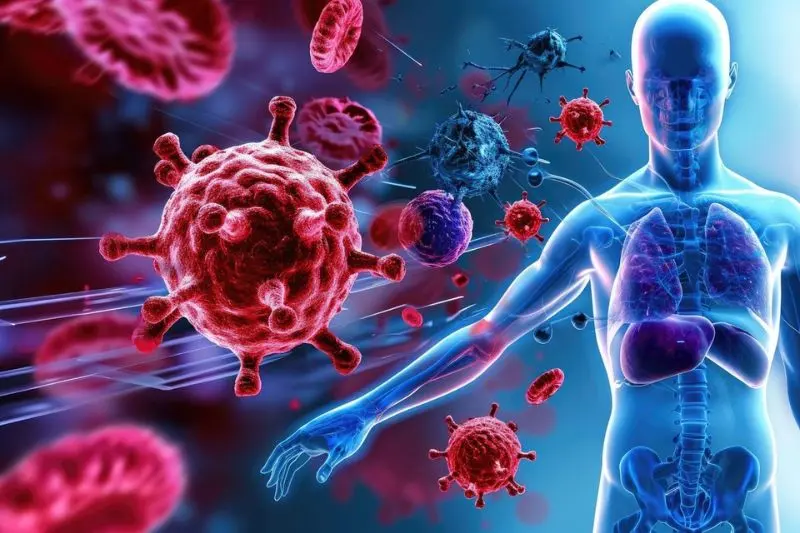
Preventing infectious diseases benefits not only individuals but entire communities. One infected person can unknowingly spread illness to many others, especially in crowded environments.
Some major reasons prevention is essential include:
- Reduces the spread of contagious illnesses.
- Protects children, older adults, and people with weakened immune systems.
- Lowers healthcare expenses.
- Decreases hospital admissions.
- Prevents serious complications.
- Improves workplace and school attendance.
- Supports healthier communities.
- Helps control disease outbreaks.
For example, regular handwashing alone can dramatically reduce many gastrointestinal and respiratory infections. Similarly, vaccination programs have helped eliminate or greatly reduce several dangerous diseases around the world.
Detailed Step-by-Step Guide
Step 1: Wash Your Hands Properly
Hand hygiene is one of the simplest and most effective methods of preventing infections.
Wash your hands:
- Before eating
- Before preparing food
- After using the restroom
- After coughing or sneezing
- After touching animals
- After handling garbage
- When returning home
Use soap and clean running water.
Wash for at least 20 seconds by cleaning:
- Palms
- Back of hands
- Between fingers
- Fingertips
- Thumbs
- Wrists
If soap and water aren’t available, use an alcohol-based hand sanitizer containing at least 60% alcohol.
Step 2: Practice Good Respiratory Hygiene
Respiratory infections spread quickly through tiny droplets released while coughing, sneezing, talking, or even breathing.
Protect yourself by:
- Covering your mouth with a tissue or your elbow when coughing.
- Throwing used tissues away immediately.
- Washing your hands afterward.
- Avoiding touching your eyes, nose, and mouth.
- Staying home when feeling sick.
Good respiratory etiquette protects everyone around you.
Step 3: Stay Up to Date with Vaccinations
Vaccines are among the greatest public health achievements.
They help your immune system recognize harmful germs before they cause serious illness.
Common recommended vaccines may include:
- Influenza vaccine
- COVID-19 vaccine
- Hepatitis vaccines
- Tetanus vaccine
- Measles, Mumps, and Rubella (MMR)
- Chickenpox vaccine
- HPV vaccine
Follow your healthcare provider’s recommendations based on your age, occupation, travel plans, and medical history.
Step 4: Maintain Personal Hygiene
Personal cleanliness reduces the number of harmful microorganisms on your body.
Healthy habits include:
- Shower regularly.
- Wear clean clothes.
- Brush your teeth twice daily.
- Keep fingernails trimmed.
- Wash hair regularly.
- Avoid sharing personal items like towels, razors, or toothbrushes.
These habits reduce opportunities for bacteria and fungi to multiply.
Step 5: Handle Food Safely
Food contamination is a major cause of infectious diseases worldwide.
Follow these food safety rules:
- Wash fruits and vegetables thoroughly.
- Cook meat completely.
- Separate raw and cooked foods.
- Refrigerate leftovers promptly.
- Drink clean, safe water.
- Check food expiration dates.
- Clean kitchen surfaces frequently.
For example, undercooked poultry can contain harmful bacteria that cause severe food poisoning.
Step 6: Keep Your Environment Clean
Clean surroundings reduce exposure to disease-causing organisms.
Regularly disinfect:
- Door handles
- Mobile phones
- Computer keyboards
- Light switches
- Bathroom surfaces
- Kitchen counters
- Frequently touched household items
Ensure proper ventilation by opening windows whenever possible. Fresh air helps reduce the concentration of airborne germs indoors.
A clean home, workplace, and classroom contribute to healthier living conditions for everyone.
Step 7: Avoid Close Contact with Sick Individuals
When someone has a contagious illness, maintaining a safe distance can significantly reduce your risk of infection.
Helpful precautions include:
- Avoid unnecessary physical contact.
- Do not share drinks, utensils, or personal items.
- Wear a well-fitting mask in high-risk situations if recommended.
- Encourage sick family members to rest in a separate room when possible.
- Clean shared surfaces frequently.
These measures are especially important during seasonal outbreaks of respiratory illnesses.
Step 8: Build a Strong Immune System
A healthy immune system is your body’s first line of defense against infectious diseases. While no lifestyle can guarantee complete protection, healthy habits help your body respond more effectively to harmful germs.
Eat a Balanced Diet
Choose foods rich in vitamins, minerals, and antioxidants, such as:
- Fresh fruits
- Leafy green vegetables
- Whole grains
- Lean proteins
- Fish
- Nuts and seeds
- Legumes
- Low-fat dairy products
Vitamin C, vitamin D, zinc, and protein all contribute to normal immune function.
Stay Physically Active
Aim for at least 150 minutes of moderate exercise each week. Activities such as walking, cycling, swimming, or light jogging improve circulation and support overall health.
Get Enough Sleep
Adults generally need 7–9 hours of quality sleep each night, while children and teenagers require even more. Adequate sleep allows the immune system to recover and function properly.
Manage Stress
Long-term stress may weaken the body’s natural defenses. Healthy stress-management techniques include:
- Deep breathing exercises
- Meditation
- Reading
- Spending time outdoors
- Talking with supportive friends or family
- Enjoying hobbies
Step 9: Practice Safe Travel Habits
Travel can expose you to unfamiliar diseases. Taking precautions before and during your trip reduces health risks.
Before traveling:
- Check whether vaccinations are recommended for your destination.
- Pack a basic first-aid kit.
- Carry hand sanitizer and disinfectant wipes.
- Research local health advisories.
During travel:
- Drink safe bottled or purified water if necessary.
- Eat food from clean and reputable establishments.
- Wash your hands frequently.
- Avoid close contact with visibly ill individuals.
Step 10: Seek Medical Care Early
Early diagnosis often prevents infections from becoming more serious.
Consult a healthcare professional if you experience:
- Persistent fever
- Difficulty breathing
- Severe cough
- Continuous vomiting or diarrhea
- Skin infections that worsen
- Unusual rashes
- Symptoms that last longer than expected
Avoid self-medicating with antibiotics unless prescribed. Misusing antibiotics contributes to antibiotic resistance, making infections harder to treat.
Benefits of an Infectious Diseases Prevention Guide
Following an effective prevention plan offers many advantages:
- Reduces the risk of common infectious diseases.
- Protects vulnerable family members.
- Improves overall health and well-being.
- Decreases medical expenses.
- Reduces missed school and workdays.
- Helps prevent community outbreaks.
- Supports stronger immune health.
- Encourages healthier daily habits.
- Lowers the spread of antibiotic-resistant infections.
- Provides peace of mind during seasonal disease outbreaks.
Disadvantages / Risks
Although prevention itself has very few disadvantages, there are challenges that people may face.
- Maintaining healthy habits requires consistency.
- Vaccination schedules may require multiple appointments.
- Hygiene supplies can add minor household expenses.
- Some preventive measures may feel inconvenient during busy schedules.
- Misinformation can discourage people from following proven health advice.
- Neglecting preventive practices increases the risk of infection.
The benefits of prevention greatly outweigh these minor inconveniences.
Common Mistakes to Avoid
Many infections occur because of simple, avoidable mistakes.
Some of the most common include:
- Washing hands too quickly.
- Forgetting to wash hands before meals.
- Touching the face with unclean hands.
- Skipping recommended vaccinations.
- Sharing personal hygiene items.
- Ignoring early symptoms of illness.
- Preparing food without proper hygiene.
- Not cleaning frequently touched surfaces.
- Using antibiotics without medical advice.
- Returning to work or school before fully recovering from a contagious illness.
Avoiding these mistakes greatly improves your chances of staying healthy.
FAQs
1. What are infectious diseases?
Infectious diseases are illnesses caused by bacteria, viruses, fungi, or parasites that can spread directly or indirectly from one person, animal, food, water, or contaminated surface to another.
2. Can handwashing really prevent infections?
Yes. Proper handwashing is one of the most effective ways to prevent many respiratory and gastrointestinal infections. Washing with soap for at least 20 seconds removes harmful germs before they enter your body.
3. Why are vaccines important?
Vaccines train your immune system to recognize and fight harmful microorganisms. They help prevent serious illness, reduce complications, and limit the spread of contagious diseases within communities.
4. Should antibiotics be taken for every infection?
No. Antibiotics only work against bacterial infections. They do not treat viral illnesses such as the common cold or influenza. Antibiotics should only be used when prescribed by a qualified healthcare professional.
5. How can I strengthen my immune system naturally?
Maintain a balanced diet, exercise regularly, sleep adequately, manage stress, stay hydrated, avoid smoking, and limit excessive alcohol consumption. These habits support healthy immune function.
6. Who is most at risk of infectious diseases?
Higher-risk groups include:
Infants
Older adults
Pregnant women
People with weakened immune systems
Individuals with chronic medical conditions
Healthcare workers with frequent exposure to infectious patients
7. Is wearing a mask always necessary?
Mask recommendations depend on the situation. They may be appropriate during disease outbreaks, in healthcare settings, or when caring for someone with a contagious respiratory illness. Always follow local public health guidance.
Expert Tips & Bonus Points
Follow these additional recommendations for even better protection:
- Carry hand sanitizer while traveling.
- Replace toothbrushes after recovering from certain illnesses.
- Keep commonly touched electronics clean.
- Drink plenty of water every day.
- Exercise consistently rather than occasionally.
- Stay informed about seasonal disease trends.
- Encourage children to learn proper hygiene from an early age.
- Keep household cleaning supplies readily available.
- Maintain regular medical checkups.
- Build healthy habits gradually so they become part of your daily routine.
Remember that prevention is a lifelong commitment rather than a one-time effort. Small actions repeated consistently often provide the greatest protection.
Conclusion
Preventing infectious diseases begins with informed choices and consistent daily habits. Although harmful microorganisms are present in many environments, most common infections can be significantly reduced through proper hygiene, safe food handling, vaccination, environmental cleanliness, and a healthy lifestyle. These preventive measures not only protect individuals but also contribute to healthier families, workplaces, schools, and communities.
This Infectious Diseases Prevention Guide demonstrates that disease prevention does not require complicated routines or expensive equipment. Washing your hands correctly, covering your mouth when coughing, staying home when you’re ill, eating nutritious foods, exercising regularly, and seeking timely medical care are practical steps that anyone can follow. Together, these habits strengthen your body’s defenses and reduce the spread of infectious illnesses.
Consistency is the key to long-term success. While no prevention strategy can eliminate every risk, adopting healthy behaviors dramatically lowers the chances of infection and serious complications. By making prevention a daily priority, you invest in your own well-being while helping protect those around you. Start with one healthy habit today, continue building on it each week, and you’ll create a safer, healthier future for yourself and your community.
