


Intoduction
Embarking on a journey toward better health is arguably one of the most significant and rewarding commitments you can ever make. It is a decision that ripples outward, touching every single aspect of your existence—from the clarity of your thoughts and the stability of your moods to the physical strength of your body and the longevity of your future. However, there is a common, often painful paradox that plagues many people who set out on this path: the more desperately they want to change, the more likely they are to fail. This happens because most people mistakenly view health as a destination—a finish line to be crossed through a burst of intense, short-term effort. They attempt to overhaul their entire existence overnight, replacing every habit they have ever known with a rigid, punishing new regimen.
The reality is that true wellness is not about drastic, short-term fixes; it is not about the latest fad diet that promises rapid weight loss in exchange for starvation, nor is it about spending two hours in the gym every single day until you are too exhausted to function. Instead, health is about cultivating sustainable habits that integrate seamlessly into your existing daily routine, becoming as natural and automatic as brushing your teeth or sleeping. Whether you are a complete beginner just looking to improve your energy levels for the daily grind or an intermediate learner seeking to optimize your performance, the secret lies in consistency rather than intensity. It is the steady, quiet drip of water that carves the canyon, not the flood.
Healthy lifestyle changes represent a fundamental shift in perspective. Instead of viewing exercise and nutrition as tedious, obligatory chores that take time away from your busy life, you begin to see them as the essential pillars of your long-term longevity and happiness. This transition is not always easy, as it requires us to challenge our deeply ingrained patterns and societal pressures. We live in a world that thrives on instant gratification, where marketing promises us that we can buy our way to health with a pill or a shortcut. Embracing a sustainable lifestyle requires you to detach from those false promises and accept that your body is a complex, living system that requires patient, gentle care rather than aggressive manipulation.
By focusing on small, manageable adjustments—the kind that feel almost too easy to matter—you build the momentum necessary to sustain your progress for years to come. These small wins are the fuel for your journey. When you succeed at one small goal, your brain rewards you with a hit of dopamine, reinforcing the behavior and making you more likely to repeat it. This is the physiological basis of habit formation. It is not about willpower; it is about architecture. You are effectively architecting your life so that the healthy choice becomes the path of least resistance. This article provides a comprehensive, no-nonsense roadmap for transforming your life, ensuring that the habits you build today become the rock-solid foundation for a vibrant, healthy future.
We will delve deep into the science of behavior change, moving past common myths to understand why some habits stick while others fade away. We will explore the practical, day-to-day steps to implement these shifts, and importantly, we will discuss how to navigate the inevitable obstacles, social pressures, and internal doubts that often derail progress. You will learn how to listen to your body’s signals rather than ignoring them in favor of external metrics. This is not a restrictive manual; it is an invitation to explore a better way of living. We will guide you through the process of auditing your current lifestyle, helping you identify where you are losing energy and where you can reclaim it.
As we move forward, consider the power of the “compounding effect.” Just like financial interest, your health habits compound over time. A slightly better diet, a slightly more consistent sleep schedule, and a slightly more active routine, when added together, create exponential improvements over months and years. You are not building a temporary state; you are building an identity. You are shifting from someone who “tries to be healthy” to someone who simply is healthy. That identity shift is the ultimate goal. When your habits align with your core identity, you no longer feel like you are struggling against yourself. You become a person who prioritizes their well-being because it is simply who you are.
It is important to acknowledge that this process requires patience. There will be days when life throws you a curveball, when work stress spikes, or when your schedule feels entirely outside of your control. That is not a failure; that is life. A sustainable lifestyle is one that accounts for the messy, unpredictable nature of being human. It is flexible, resilient, and forgiving. By letting go of the need for perfection, you actually open the door to true consistency. Perfection is fragile and brittle; consistency is durable and strong. This guide will show you how to find that sweet spot—the balance that works for your unique biology, your specific career demands, your family responsibilities, and your personal goals.
Ultimately, this journey is about reclaiming your vitality. You deserve to wake up feeling rested. You deserve to have the physical stamina to play with your children, travel the world, or pursue your career with vigor. You deserve to have a mind that is sharp, focused, and free from the fog of poor nutrition and sedentary living. As we explore the following sections, keep your “why” at the forefront of your mind. Let that reason be your anchor. Whether it is to extend your life, improve your mental resilience, or simply feel more comfortable in your own skin, hold onto that motivation tightly. We are about to strip away the confusion of the modern health landscape and return to the principles that truly work. Let’s dive into the art and science of lasting wellness, and begin the work of building a life that feels as good as it looks.
What is a Sustainable Healthy Lifestyle?

A healthy lifestyle is defined as a pattern of behavior that minimizes risks for chronic illness and improves physical, mental, and emotional well-being. It is not limited to just eating salads or running marathons. Instead, it encompasses a holistic approach to life.
Sustainable change means adopting habits that you can maintain over the long term, even when life gets busy, stressful, or unpredictable. It is the opposite of a crash diet or a high-intensity fitness program that you quit after two weeks. A sustainable lifestyle feels manageable and rewarding rather than restrictive. It focuses on the quality of your sleep, the nourishment of your food, your level of physical activity, and your mental resilience.
Essentially, it is about finding a balance that works for your unique biology and daily schedule. When you stop chasing perfection and start focusing on consistent, positive action, you have found the essence of a healthy lifestyle that truly lasts.
Why is Healthy Lifestyle Change Important?

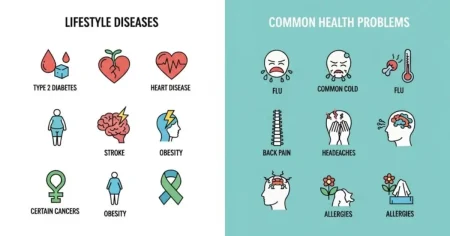
Prioritizing healthy lifestyle changes is essential for preventing the onset of lifestyle-related diseases such as type 2 diabetes, heart disease, and hypertension. Modern life often encourages sedentary behavior and poor dietary choices, which can take a silent toll on your organs and energy levels.
Beyond disease prevention, making these changes significantly impacts your daily quality of life. When you fuel your body correctly and keep it moving, your brain fog lifts, your mood stabilizes, and your stress tolerance increases. You gain the physical stamina to pursue your hobbies, spend time with loved ones, and handle the challenges of your career with greater ease.
Moreover, these changes create a positive feedback loop. When you feel physically strong and mentally clear, you are more motivated to continue making healthy choices. This compounding effect ensures that your health does not just stay static—it improves over time, allowing you to live a fuller, more active, and more fulfilling life.
Detailed Step-by-Step Guide to Lasting Change
Achieving a healthy lifestyle requires a structured approach. By breaking down the process into actionable phases, you avoid the overwhelm that often leads to failure.
Phase 1: Identifying Your Motivation and Baseline
Before changing your habits, you must understand your “why.” Are you doing this to have more energy for your children? Are you looking to improve your athletic performance? Are you focused on longevity?
Document your current habits honestly. Track your food for three days, note your sleep patterns, and record your current physical activity. This data provides the baseline you need to track progress objectively.
Phase 2: Implementing Small, Incremental Habits
The most common mistake is trying to change everything at once. Instead, choose one primary goal per month. For example, if you want to improve your nutrition, focus solely on hydration and vegetable intake for four weeks.
Once these become automatic, layer on a new habit, such as walking for 20 minutes daily. This “habit stacking” technique ensures that you do not burn out or feel deprived.
Phase 3: Optimizing Your Environment
Your environment dictates your behavior more than your willpower does. If you want to eat healthier, clear your pantry of processed snacks and replace them with whole-food alternatives. If you want to exercise, lay out your workout clothes the night before.
When the path of least resistance leads to healthy choices, you are significantly more likely to succeed. Design your life to support your goals rather than fight against them.
Phase 4: Tracking and Adjusting
Monitor your progress using a journal or a digital tool. However, focus on non-scale victories. Notice if you have more energy in the afternoon, if your sleep quality has improved, or if you feel less winded during physical activity.
If a specific habit isn’t working, be willing to pivot. Sustainability requires flexibility. If a specific gym workout doesn’t fit your schedule, find a home-based routine that does.
Benefits of Healthy Lifestyle Changes
Adopting a sustainable approach offers numerous advantages that extend far beyond physical appearance. Here are some of the primary benefits you can expect:
- Enhanced Energy Levels: By stabilizing your blood sugar and improving cardiovascular health, you eliminate the mid-afternoon energy slump.
- Improved Mental Health: Regular physical activity and nutrient-dense foods are scientifically linked to lower levels of anxiety and depression.
- Better Sleep Quality: Consistent activity and a balanced diet contribute to deeper, more restorative sleep cycles.
- Strengthened Immune System: A healthy body is more efficient at fighting off infections and recovering from illness.
- Long-Term Weight Management: By building muscle and improving metabolic health, you create a system that manages weight naturally without constant calorie counting.
- Increased Longevity: Consistent healthy habits significantly lower the risk of chronic conditions, potentially adding years to your life.
- Enhanced Focus and Productivity: Brain health is heavily dependent on physical health; you will find that you can concentrate longer and perform better under pressure.
Disadvantages and Risks of Drastic Changes
While the pursuit of health is noble, approaching it with a “perfectionist” mindset can introduce specific risks. It is important to be aware of the following:
- Burnout: Attempting to force a high-intensity lifestyle too quickly often leads to physical and mental exhaustion, causing many to quit altogether.
- Nutritional Deficiencies: Overly restrictive diets can leave you lacking essential vitamins and minerals, leading to hair loss, fatigue, and hormonal imbalances.
- Social Isolation: If your approach to healthy lifestyle changes becomes too rigid, you may feel unable to participate in social events, which can negatively impact your mental health.
- Developing Obsessive Behaviors: An extreme focus on calories or exercise timing can sometimes lead to unhealthy relationships with food and movement.
- Injury Risk: Jumping into intense physical training without a proper foundation increases the likelihood of muscle strains, joint issues, and overtraining syndrome.
- Financial Stress: Some wellness trends promote expensive supplements or equipment that are not necessary for achieving basic health outcomes.
Common Mistakes to Avoid
Success often comes down to avoiding the traps that catch most beginners. First, avoid the “all or nothing” mentality. If you have a day where you eat poorly or skip a workout, do not view it as a failure. One meal or one missed session does not undo your progress. Simply return to your routine at the next opportunity.
Second, avoid comparing your chapter one to someone else’s chapter twenty. Everyone’s journey is unique. Your focus should be on your own improvement rather than the highlight reels of others.
Third, stop relying solely on willpower. Willpower is a limited resource that depletes throughout the day. Instead, rely on systems and habits. If you have to “decide” to exercise, you are more likely to talk yourself out of it. If you have a scheduled block of time, it becomes part of your identity.
Finally, do not underestimate the importance of recovery. Muscles grow and the brain repairs itself during rest, not during the effort itself. Neglecting sleep or rest days is a surefire way to sabotage your long-term success.
How long does it take to form a new healthy habit?
While the “21 days” myth is common, research suggests it takes anywhere from 18 to 254 days for a habit to become automatic. Focus on consistency rather than a specific timeline.
Can I still enjoy my favorite “unhealthy” foods?
Yes. A healthy lifestyle is about the 80/20 rule. If you focus on nutrient-dense foods 80% of the time, enjoying your favorite treats in moderation will not derail your health goals.
What if I am constantly tired?
If you are consistently fatigued, review your sleep hygiene, hydration, and overall caloric intake. If the issue persists, it is always a good idea to consult a medical professional to rule out any underlying health concerns.
How much exercise is enough for a beginner?
The goal for beginners is to build a habit of movement. Start with 15–30 minutes of moderate activity, like walking, three to four times a week. You can increase the intensity as your fitness improves.
Do I need expensive gym equipment to get healthy?
Not at all. Your own body weight is an excellent tool for strength training, and walking or running requires no specialized equipment. Sustainability is about simplicity.
What is the most important part of a healthy lifestyle?
Consistency. It is better to do a small amount of work every day for a year than to do a massive amount of work for two weeks and then quit.
Expert Tips and Bonus Points
To truly maximize your success, you must move beyond the basics and embrace advanced, science-backed strategies used by wellness professionals to maintain peak performance. First, prioritize the concept of “active recovery.” On days when you are not lifting heavy weights or performing high-intensity interval training, do not simply sit on the couch. Engage in light, restorative movement such as dynamic stretching, restorative yoga, or a leisurely afternoon walk. This keeps your joints mobile, improves lymphatic drainage, and significantly aids in blood flow to damaged tissues, which accelerates overall recovery.
Second, master the art of strategic meal preparation. You do not need to spend your entire weekend cooking. Instead, spend just two hours on a Sunday to prep foundational, versatile ingredients—such as batch-cooked proteins like grilled chicken or tofu, roasted seasonal vegetables, and hearty whole grains like quinoa. Having these ready-to-go prevents the common trap of ordering unhealthy, nutrient-void takeout on a busy Wednesday night when your willpower is naturally lower.
Third, manage your stress through non-exercise methods. Modern living keeps our sympathetic nervous system in a state of high alert. Practices like mindfulness meditation, controlled box breathing, or daily journaling are not just “nice to have”—they are critical tools to lower your systemic cortisol levels. High cortisol is often the silent barrier preventing weight loss and muscle gain.
Finally, prioritize sleep above all else. Sleep is the single most effective, natural performance enhancer available to humanity. Aim for 7 to 9 hours of quality, uninterrupted rest. Keep your bedroom environment pitch-black, cool, and strictly free from electronic distractions. When your recovery is truly on point, your willpower, cognitive energy, and long-term motivation will naturally soar, allowing you to sustain your healthy lifestyle habits for decades rather than just a few fleeting months.
Conclusion
The path to building a healthy lifestyle that actually lasts is rarely a perfectly straight or predictable line. Instead, it is a complex, beautiful series of small, intentional, and often quiet choices made day after day, week after week, and year after year. By consciously moving away from the toxic culture of instant gratification—which promises miraculous transformations in exchange for temporary suffering—and toward a mindset defined by patience, curiosity, and consistency, you can finally create the lasting changes that will serve you for the rest of your life. It is important to remember that health is not a final destination you arrive at, but rather a dynamic state of being that you must actively cultivate through your daily actions.
It is about learning to honor your unique body, respecting your biological limits, and pushing yourself toward personal growth in a way that feels inherently sustainable rather than punishing. You absolutely do not need to be perfect to see profound results; you only need to be present and persistent. Start with one small, manageable change today. Perhaps it is simply drinking an extra glass of water before your morning coffee, going for a brisk ten-minute walk immediately after dinner, or swapping one highly processed snack for a piece of whole fruit. These tiny, seemingly insignificant actions are the genuine building blocks of a better, stronger version of yourself.
As you continue this rewarding journey, you will eventually discover that the lifestyle you are creating is not just healthier—it is objectively more enjoyable, more vibrant, and deeply fulfilling. Embrace the messy process, stay endlessly curious about what your incredible body is capable of achieving, and remain firmly committed to your long-term vision. Your future self will profoundly thank you for every ounce of effort you are investing today. Consistent, mindful, and compassionate action is the ultimate master key to unlocking the healthy, balanced, and energetic life you deserve. Stay focused, stay positive, and keep moving forward.



1 Comment
Pingback: How To Boost Immunity Against Seasonal Diseases