Introductoin
Maintaining good health is a journey, not a destination. In our fast-paced world, it is easy to overlook the subtle signals our bodies send us until a minor issue evolves into a significant concern. By understanding common health problems and prevention tips, you can take proactive steps to safeguard your future. This guide is designed to empower you with knowledge, helping you navigate the complexities of wellness with confidence. Whether you are a beginner looking to build healthy habits or someone seeking to refine their current lifestyle, these strategies are practical, sustainable, and rooted in science. From managing stress and improving nutrition to understanding the importance of regular screenings, we will explore how simple, consistent changes can lead to profound results in your daily life. Taking control of your health is the most valuable investment you will ever make. Let’s dive into the essential practices that will keep you feeling your best every single day.
When we talk about health, we often visualize a state of absence of disease. However, true health is a dynamic, multifaceted concept that encompasses your physical, mental, and emotional states. In an era where information is abundant but often contradictory, the search for reliable guidance on common health problems and prevention tips has never been more critical. You might feel overwhelmed by the sheer volume of wellness trends—ranging from restrictive fad diets to complex supplement regimens—that promise instant transformation. It is important to step back and recognize that your body is a sophisticated system that functions best on the basics: balance, consistency, and awareness.
Many of us go through our daily routines on autopilot, ignoring the early warning signs of common health problems. Perhaps it is a persistent tension headache that you manage with over-the-counter medication, or a recurring digestive discomfort that you simply accept as “normal.” These small issues are often the body’s way of requesting attention. By learning to identify these early triggers, you transition from a reactive state—waiting for a crisis to occur—to a proactive state of health management. This shift in perspective is the cornerstone of longevity and vitality. It is not just about avoiding hospitals; it is about building a body and mind that are resilient enough to handle the stressors of modern living.
The reality is that many of the most prevalent health issues today—such as type 2 diabetes, hypertension, and chronic fatigue—are largely influenced by our daily environments and habitual choices. While genetics play a role, the way we engage with our environment, our diet, and our sleep patterns determines how those genes are expressed. This is empowering news. It means that the control, to a significant extent, rests in your hands. Implementing consistent prevention tips helps you cultivate a “biological buffer,” a reserve of health that protects you when life becomes difficult or when you face unexpected physical challenges.
This article aims to strip away the confusion. We are not interested in short-lived trends or miracle cures. Instead, we are focusing on the pillars of human health that have stood the test of time. We will explore how to adjust your nutrition, optimize your movement patterns, and cultivate a mental environment that fosters recovery. When you prioritize these elements, you aren’t just preventing illness; you are enhancing your daily cognitive function, increasing your energy levels, and improving your overall outlook on life. This journey requires patience, as real health is built through the accumulation of small, positive actions over weeks, months, and years.
As you navigate this guide, approach each section with an open mind. You do not need to adopt every suggestion simultaneously. The most effective health strategy is one that fits seamlessly into your life. Whether you are looking to address a specific, recurring concern or you simply want to optimize your long-term wellness, you will find that the principles of prevention are incredibly adaptable. It is time to move beyond the surface level of wellness and engage deeply with the science and art of living well. By the end of this exploration, you will have a clear, actionable roadmap for your personal health journey. You will understand that managing common health problems is not about fear or restriction; it is about providing your body with the resources it needs to do what it does best: thrive, adapt, and regenerate. Let this be the start of a more conscious, intentional approach to the most important project you will ever undertake—yourself.
When considering common health problems and prevention tips, it is crucial to recognize that no two individuals are exactly alike. Your personal history, current activity level, and environmental exposures play a unique role in how your body responds to stressors. This is why a one-size-fits-all approach often fails. Instead, successful health management is about personalization. You must become the primary observer of your own biology. When you feel tired, do not immediately assume it is just a “bad day.” Analyze your recent nutrition, your sleep quality, and your activity levels. Could the fatigue be a symptom of a systemic issue that you could prevent with better planning? This level of granularity is what separates those who struggle with recurring issues from those who enjoy consistent, high-level health.
Furthermore, we must address the “prevention gap.” Many people understand what they should do to stay healthy but struggle with the “how.” How do you eat well when you are busy? How do you move when you are desk-bound? This guide is written to bridge that gap. We will provide strategies that integrate into your existing schedule, not ones that require you to abandon your responsibilities. Whether it is finding better ways to manage your glycemic index through simple food swaps or incorporating micro-workouts into your workday, we are focused on execution. The goal is to make healthy living the path of least resistance, so that you do not have to rely on willpower alone to maintain your standards.
Finally, remember that prevention is not synonymous with perfection. You will have days where you eat poorly, miss a workout, or struggle to get enough sleep. This is not a failure; it is life. The key to long-term success with common health problems and prevention tips is not avoiding those days entirely, but ensuring that they do not define your overall trajectory. By returning to your healthy baseline consistently, you maintain the momentum necessary to avoid the chronic issues that keep so many people in a cycle of illness. Let us embark on this journey toward a healthier, more resilient version of yourself, starting right here, right now.
What are Common Health Problems?
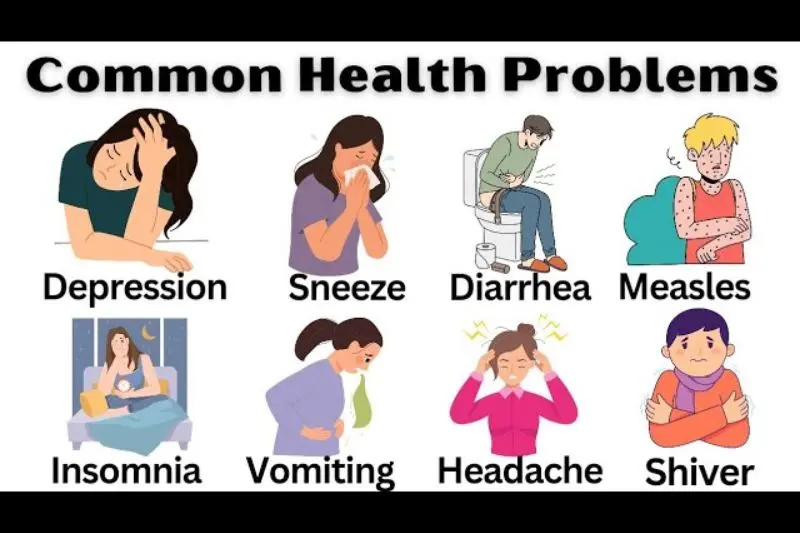
Common health problems refer to a broad category of illnesses, conditions, and physical ailments that frequently affect the general population. These are not always life-threatening, but they often significantly impact our quality of life, productivity, and mental clarity.
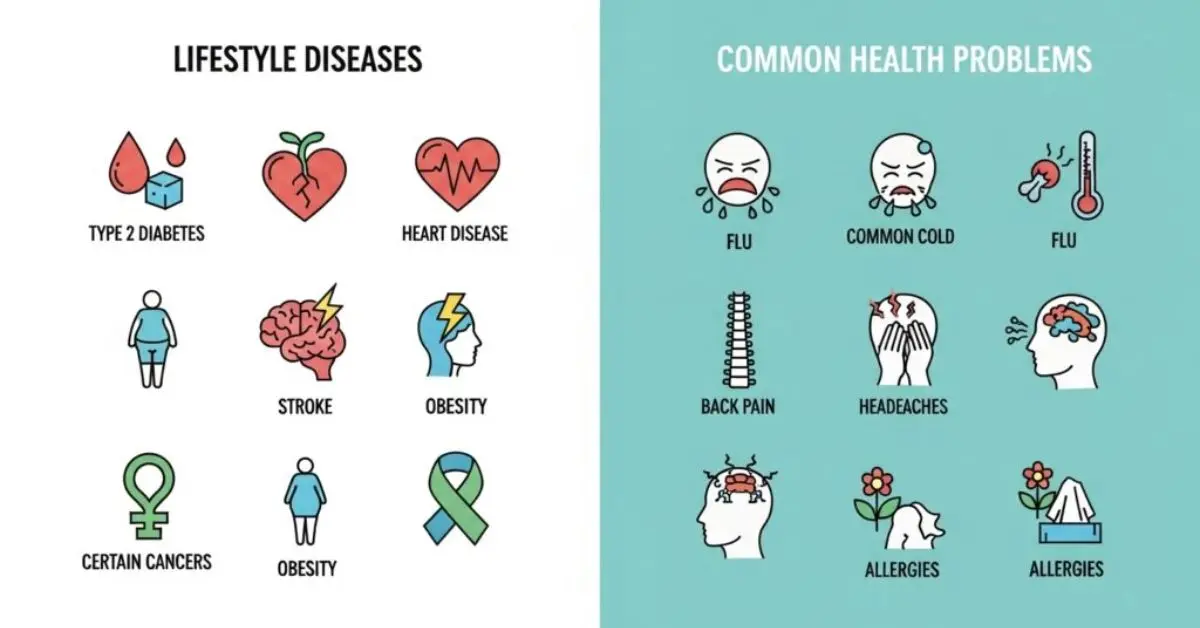
These issues range from acute conditions like the common cold or seasonal allergies to chronic concerns such as hypertension, type 2 diabetes, and various musculoskeletal pains. Often, these problems arise from a combination of genetic predispositions, environmental factors, and daily lifestyle choices.
Understanding these conditions is the first step toward effective management. While many people believe that health issues are inevitable as we age, a significant portion of these common ailments can be mitigated, delayed, or even prevented entirely through informed decisions. By recognizing the early signs and understanding what constitutes a “common” health problem, you become better equipped to address concerns before they escalate.
Why is Health Prevention Important?
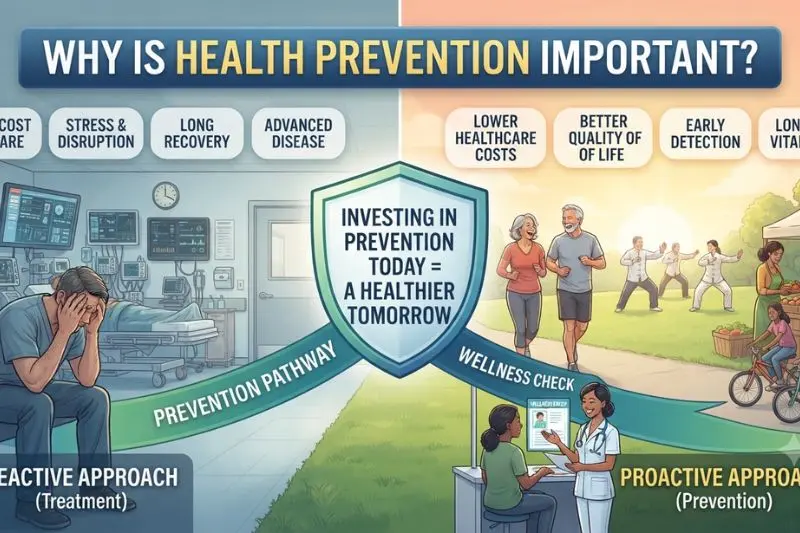
Prevention is undeniably the most effective form of medicine. When we prioritize preventive care, we focus on the root causes of health issues rather than merely treating the symptoms after they appear. This proactive approach saves time, money, and emotional stress in the long run.
Firstly, prevention improves your overall quality of life. By maintaining a healthy weight, exercising regularly, and managing stress, you inherently feel more energized and capable. You are less likely to experience the chronic fatigue or persistent aches that plague many individuals.
Secondly, prevention is economically prudent. The cost of routine screenings, healthy food, and gym memberships is significantly lower than the expenses associated with long-term medication, hospitalizations, or lost work hours due to chronic illness.
Finally, prevention offers peace of mind. Knowing that you are doing everything in your power to stay healthy provides a sense of control over your life. It allows you to enjoy your years with greater mobility, mental sharpness, and emotional balance, ensuring that you can be present for the people and activities you love most.
Detailed Step-by-Step Guide to Proactive Health
Achieving optimal health does not require a complete overnight overhaul. Instead, it is about integrating small, manageable habits into your daily routine. Follow this guide to begin your journey toward lasting wellness.
Step 1: Optimize Your Nutritional Intake
Nutrition is the foundation of your health. Focus on a balanced diet rich in whole foods, including vegetables, fruits, lean proteins, and whole grains. Minimize processed foods, sugary drinks, and excessive sodium. Staying hydrated is equally vital, so ensure you are drinking enough water throughout the day to support your metabolic functions.
Step 2: Establish a Consistent Movement Routine
Physical activity is not just about muscle building; it is about systemic health. Aim for at least 150 minutes of moderate aerobic activity each week. This could be brisk walking, swimming, or cycling. Complement this with strength training exercises twice a week to maintain bone density and muscle mass as you age.
Step 3: Prioritize Restorative Sleep
Sleep is when your body repairs itself. Aim for seven to nine hours of quality sleep per night. Establish a consistent sleep schedule, create a dark and quiet bedroom environment, and avoid screens for at least an hour before bed to allow your brain to wind down properly.
Step 4: Master Stress Management
Chronic stress is a primary driver of common health problems, including cardiovascular issues and suppressed immunity. Practice mindfulness, meditation, or deep-breathing exercises. Even ten minutes of quiet reflection each day can significantly lower your cortisol levels and improve your emotional resilience.
Step 5: Schedule Regular Medical Screenings
Do not wait until you feel sick to visit a doctor. Routine check-ups are essential for detecting conditions like high blood pressure, high cholesterol, or early-stage cancers. These screenings provide a baseline for your health, allowing you to track changes over time and intervene early if necessary.
Benefits of Proactive Health Management
Adopting a strategy focused on common health problems and prevention tips brings numerous advantages that extend far beyond physical appearance:
- Increased Energy Levels: Proper nutrition and regular sleep stabilize your blood sugar and improve metabolic efficiency.
- Enhanced Mental Clarity: Regular exercise increases blood flow to the brain, improving focus, memory, and mood regulation.
- Reduced Healthcare Costs: Early detection and healthy lifestyle choices significantly decrease the need for expensive medical interventions.
- Longevity: Maintaining a healthy body reduces the risk of chronic diseases, increasing your chances of a longer, more active life.
- Stronger Immune System: A body supported by proper nutrients and movement is more resilient against infections and viruses.
- Better Stress Resilience: Physical health provides a buffer against psychological stress, making you more adaptable to life’s challenges.
Disadvantages and Potential Risks
While pursuing a healthier lifestyle is largely positive, it is important to be aware of potential pitfalls to ensure your approach is sustainable:
- Over-exercising: Pushing the body too hard without adequate recovery can lead to injury, burnout, and suppressed immune function.
- Extreme Dieting: Eliminating entire food groups or practicing severe caloric restriction can lead to nutrient deficiencies and an unhealthy relationship with food.
- Health Anxiety: Becoming overly obsessed with every minor symptom or tracking every calorie can ironically increase stress levels and decrease your enjoyment of life.
- Financial Pressure: High-end wellness products, boutique fitness classes, and organic specialty foods can become expensive if not managed with a budget.
- Misinformation: Relying on unverified sources for health advice can lead to ineffective or even harmful practices.
Common Mistakes to Avoid
Many individuals start their health journey with enthusiasm but fall into traps that hinder their progress. Avoiding these common mistakes can keep you on the right path.
The first mistake is the “all or nothing” mentality. Many people attempt to change their diet, exercise habits, and sleep schedule all at once, leading to burnout within a few weeks. Instead, focus on making small, sustainable changes that you can stick with for the long term.
Secondly, many overlook the importance of consistency. Working out intensely for four hours on a Saturday does not compensate for a sedentary lifestyle during the rest of the week. Consistency is far more important than intensity when it comes to long-term health improvements.
Another frequent error is ignoring mental health. Physical health and mental well-being are intrinsically linked. If you are constantly stressed, anxious, or depressed, your physical health will inevitably suffer. Treat your mental state with the same importance as your physical activity.
Finally, beware of “quick fix” solutions. Supplements, fad diets, and miracle products are rarely effective and can sometimes be harmful. Focus on the basics—whole foods, movement, sleep, and medical check-ups—which are the true pillars of health.
How often should I get a full medical check-up?
For most adults, a comprehensive check-up once a year is sufficient. However, if you have a history of chronic conditions or a family history of specific diseases, your doctor may recommend more frequent visits.
Can I prevent all health problems?
While you cannot prevent every possible health issue due to factors like genetics, you can significantly reduce your risk for the vast majority of chronic conditions through lifestyle management and early intervention.
What is the best way to start exercising if I am a beginner?
Start with low-impact activities like walking or light swimming. Aim for 20 minutes a day and gradually increase the duration and intensity as your fitness level improves.
How does sleep affect my physical health?
Sleep is essential for immune function, hormone regulation, and tissue repair. Chronic sleep deprivation is linked to heart disease, obesity, and cognitive decline.
Are supplements necessary for good health?
For most people, a balanced diet provides all necessary nutrients. Supplements should only be used to fill specific gaps identified by a healthcare professional, such as Vitamin D deficiencies.
How do I know if a health symptom is serious?
If a symptom is persistent, worsening, or accompanied by severe pain, high fever, or unexpected weight loss, you should consult a doctor immediately. Do not rely on self-diagnosis.
Expert Tips and Bonus Points
To further refine your approach to wellness, consider these expert-level insights designed to elevate your health strategy. First, begin tracking your specific “health markers” rather than just focusing solely on your body weight. Utilize a physical journal or a dedicated mobile application to monitor your daily energy levels, sleep quality, and mood fluctuations. These subjective data points are often more accurate indicators of your true internal health than the arbitrary number shown on a scale.
Second, actively foster meaningful social connections. Scientific studies consistently demonstrate that individuals with robust, supportive social networks live longer and report significantly higher levels of happiness and mental well-being. Your relationships are a vital, yet often overlooked, part of your overall health infrastructure.
Third, stay educated but remain highly discerning. The landscape of health information changes rapidly as new scientific research emerges. Always rely on reputable medical organizations, peer-reviewed studies, or licensed professionals, and avoid social media influencers who promote questionable health trends without any scientific backing.
Lastly, embrace the necessity of flexibility within your routine. Your wellness plan should support your life, not control it. If you have an exceptionally busy week, prioritize a shorter, high-intensity workout rather than abandoning your fitness goals entirely. Being kind to yourself during periods of high stress is also a vital health practice. Incorporating “active recovery” days—where you engage in gentle activities like yoga or a slow walk—can prevent burnout while keeping your body moving. By layering these expert-level strategies onto your foundational habits, you transform from a casual participant in your own wellness into a proactive, informed manager of your long-term vitality, ensuring that your body remains capable, resilient, and prepared for the many challenges of the future.
Conclusion
Navigating the complex landscape of personal wellness might seem overwhelming when you are just beginning, but it is ultimately about building a solid foundation that supports your unique life goals. By consistently focusing on the fundamental pillars of human health—proper nutrition, regular physical activity, high-quality restorative sleep, and proactive professional medical guidance—you gain the immense power to manage your health effectively throughout your entire life. Remember that many common health problems are highly preventable, and the small, intentional actions you take today serve as the essential building blocks for your future vitality and long-term functional independence.
As you move forward on this path, keep the spirit of sustainability at the very heart of your journey. Avoid the common trap of seeking immediate perfection, which often leads to rapid burnout. Instead, celebrate the small, consistent wins that improve your daily experience and contribute to your broader goals. Whether it is choosing a nutrient-dense meal over a processed one, opting for a refreshing walk, or setting aside time to rest your mind, these seemingly minor choices compound over time to create profound, lasting change. You are the sole architect of your own well-being, and every single step taken toward better health is a significant step toward a more vibrant, energetic, and fulfilling life.
Stay curious, stay active, and remain deeply committed to listening to your body’s unique needs. With the right mindset and a steadfast dedication to these prevention-focused habits, you will be exceptionally well-equipped to handle life’s inevitable challenges while maintaining the energy and resilience needed to thrive in every aspect of your professional and personal life. Your health is, without question, your greatest and most important asset; treat it with the care, respect, and consistent attention it truly deserves. By choosing to prioritize your longevity today, you are gifting yourself a brighter, healthier tomorrow where you can fully engage with the world around you.