

Introduction
Understanding Essential Vitamins and Minerals Explained is one of the most important steps toward building a healthy lifestyle. While carbohydrates, proteins, and fats provide energy, vitamins and minerals support countless functions that keep the body working properly. They help strengthen bones, support immunity, improve brain function, maintain healthy skin, and assist in producing energy from food.
Many people focus on eating enough calories but overlook the quality of the nutrients they consume. Even a diet that appears balanced can lack key vitamins and minerals if it contains too many processed foods or too few fruits, vegetables, whole grains, and lean proteins. Over time, nutrient deficiencies can affect physical performance, mental focus, and overall well-being.
This guide on Essential Vitamins and Minerals Explained is designed for beginners and intermediate readers who want practical, easy-to-understand information. Instead of using complicated medical terms, it explains the role of each nutrient, where to find it naturally, and how to include it in your daily meals.
Whether your goal is improving energy levels, supporting your immune system, maintaining healthy bones, or simply making smarter food choices, learning about vitamins and minerals is a valuable investment in your long-term health. By the end of this guide, you’ll have a clearer understanding of which nutrients matter most and how to meet your daily nutritional needs through a balanced diet.
What is Essential Vitamins and Minerals Explained?
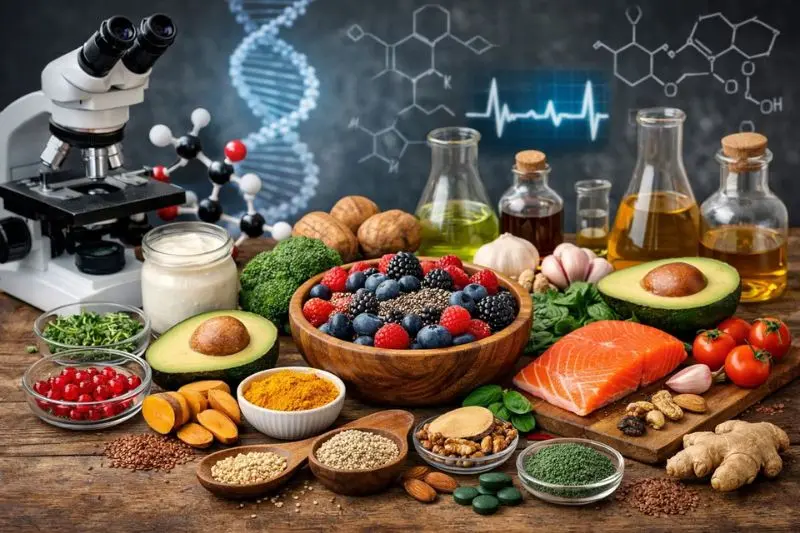
The phrase Essential Vitamins and Minerals Explained refers to understanding the nutrients that the human body requires for normal growth, development, and overall health. These nutrients are called “essential” because the body either cannot produce them at all or cannot produce enough to meet its needs. As a result, they must come from food or, when recommended by a healthcare professional, dietary supplements.
What Are Vitamins?
Vitamins are organic compounds that help regulate many body processes. They support metabolism, immunity, vision, blood clotting, and cell repair.
Vitamins fall into two categories:
Fat-soluble vitamins
- Vitamin A
- Vitamin D
- Vitamin E
- Vitamin K
These are stored in the body’s fat tissues and liver.
Water-soluble vitamins
- Vitamin C
- Vitamin B-complex vitamins (B1, B2, B3, B5, B6, B7, B9, and B12)
These are not stored in large amounts, so they should be consumed regularly.
What Are Minerals?
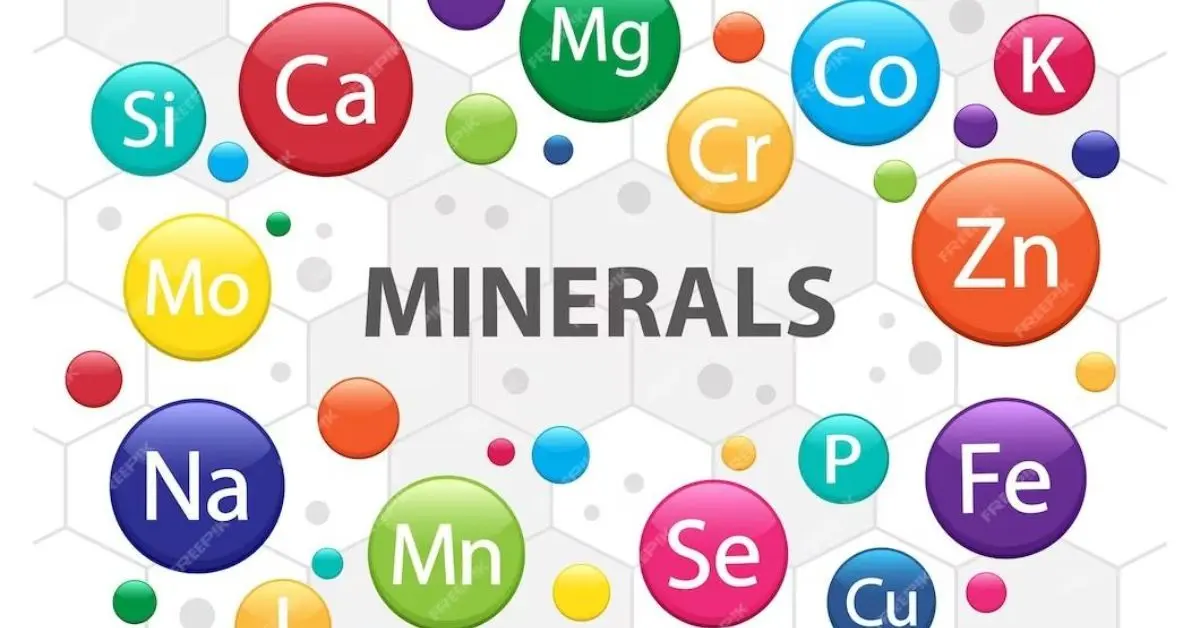
Minerals are inorganic nutrients that help build strong bones, regulate heartbeat, maintain fluid balance, produce hormones, and support nerve function.
Common essential minerals include:
- Calcium
- Iron
- Magnesium
- Potassium
- Zinc
- Phosphorus
- Sodium
- Iodine
- Selenium
Each mineral performs unique tasks that contribute to overall healthWhy is Essential Vitamins and Minerals Explained Important?
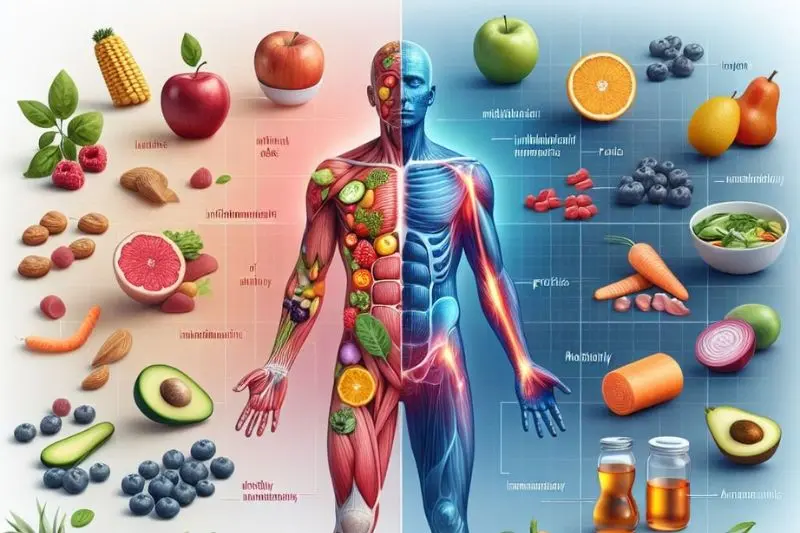
Learning about essential nutrients allows you to make informed food choices rather than relying on guesswork or marketing claims.
Here are some key reasons why vitamins and minerals matter.
They Support Immune Health
Vitamins A, C, D, and zinc help the immune system defend the body against infections and support faster recovery.
They Build Strong Bones
Calcium, phosphorus, magnesium, and vitamin D work together to strengthen bones and reduce the risk of fractures.
They Improve Energy Production
B vitamins help convert carbohydrates, proteins, and fats into usable energy, allowing the body to function efficiently throughout the day.
They Promote Healthy Brain Function
Iron, iodine, vitamin B12, and omega-friendly nutrients contribute to memory, concentration, and nervous system health.
They Protect Cells
Antioxidant vitamins like C and E help reduce damage caused by free radicals, supporting healthy aging.
They Support Growth and Repair
Protein alone cannot repair body tissues effectively. Vitamins and minerals are also required for wound healing, muscle recovery, and cell growth.
Detailed Step-by-Step Guide
Step 1: Learn the Essential Vitamins
Understanding the function of each vitamin makes it easier to plan a nutritious diet.
Vitamin A
Functions
- Supports healthy eyesight
- Maintains skin health
- Strengthens immunity
- Promotes cell growth
Food Sources
- Carrots
- Sweet potatoes
- Spinach
- Pumpkin
- Eggs
- Liver
Signs of Deficiency
- Poor night vision
- Dry skin
- Frequent infections
Vitamin B Complex
The B vitamins work together to support metabolism and the nervous system.
Vitamin B1 (Thiamine)
Benefits
- Converts food into energy
- Supports nerve function
Food Sources
- Whole grains
- Beans
- Nuts
- Pork
Vitamin B2 (Riboflavin)
Benefits
- Supports healthy skin
- Helps produce energy
- Protects cells
Food Sources
- Milk
- Yogurt
- Eggs
- Almonds
Vitamin B3 (Niacin)
Benefits
- Supports digestion
- Improves skin health
- Assists brain function
Food Sources
- Chicken
- Fish
- Peanuts
- Brown rice
Vitamin B5 (Pantothenic Acid)
Benefits
- Helps produce hormones
- Supports metabolism
Food Sources
- Mushrooms
- Chicken
- Avocados
- Whole grains
Vitamin B6
Benefits
- Produces red blood cells
- Supports brain development
- Helps regulate mood
Food Sources
- Bananas
- Potatoes
- Poultry
- Fish
Vitamin B7 (Biotin)
Benefits
- Supports healthy hair
- Maintains skin
- Helps metabolize nutrients
Food Sources
- Eggs
- Nuts
- Seeds
- Sweet potatoes
Vitamin B9 (Folate)
Benefits
- Essential during pregnancy
- Supports DNA production
- Helps create red blood cells
Food Sources
- Spinach
- Lentils
- Broccoli
- Citrus fruits
Vitamin B12
Benefits
- Supports nerve health
- Prevents certain types of anemia
- Helps produce DNA
Food Sources
- Meat
- Fish
- Eggs
- Dairy products
Vegetarians and vegans may require fortified foods or supplements after consulting a healthcare provider.
Vitamin C
Vitamin C is among the most widely recognized nutrients because of its role in immunity and tissue repair.
Benefits
- Helps produce collagen
- Improves wound healing
- Supports immunity
- Increases iron absorption
Food Sources
- Oranges
- Strawberries
- Kiwi
- Bell peppers
- Tomatoes
- Broccoli
Deficiency Signs
- Bleeding gums
- Slow healing
- Fatigue
- Frequent illness
Vitamin D
Vitamin D helps the body absorb calcium effectively.
Benefits
- Maintains strong bones
- Supports muscles
- Improves immune health
Sources
- Sunlight
- Fatty fish
- Egg yolks
- Fortified milk
- Mushrooms exposed to sunlight
Low vitamin D levels are common in people who spend little time outdoors.
Vitamin E
Vitamin E acts as an antioxidant.
Benefits
- Protects body cells
- Supports healthy skin
- Strengthens immunity
Food Sources
- Almonds
- Sunflower seeds
- Spinach
- Vegetable oils
- Hazelnuts
Vitamin K
Vitamin K is essential for blood clotting and bone health.
Food Sources
- Kale
- Spinach
- Broccoli
- Brussels sprouts
- Cabbage
Without adequate vitamin K, wounds may take longer to stop bleeding.
Step 2: Understand Essential Minerals
Minerals are equally important because they regulate numerous body systems.
Calcium
Calcium is the primary mineral found in bones and teeth.
Benefits
- Strengthens bones
- Supports muscles
- Helps nerves communicate
- Maintains heart rhythm
Food Sources
- Milk
- Yogurt
- Cheese
- Tofu
- Leafy greens
Iron
Iron helps transport oxygen throughout the body.
Benefits
- Prevents iron-deficiency anemia
- Improves energy
- Supports brain function
Food Sources
- Lean meat
- Spinach
- Lentils
- Beans
- Pumpkin seeds
Eating vitamin C-rich foods alongside plant-based iron sources improves absorption.
Magnesium
Magnesium participates in hundreds of chemical reactions within the body.
Benefits
- Supports muscles
- Promotes relaxation
- Maintains healthy bones
- Assists energy production
Food Sources
- Nuts
- Seeds
- Whole grains
- Dark leafy vegetables
- Beans
Step 2: Understand Essential Minerals (Continued)
Potassium
Potassium is an essential mineral that helps regulate fluid balance, muscle contractions, and nerve signals.
Benefits
- Supports healthy blood pressure
- Improves muscle function
- Helps maintain normal heart rhythm
- Reduces the effects of excess sodium
Food Sources
- Bananas
- Potatoes
- Sweet potatoes
- Oranges
- Spinach
- Beans
- Yogurt
A diet rich in fruits and vegetables usually provides enough potassium for most healthy adults.
Zinc
Zinc is required for hundreds of enzyme reactions and plays a major role in growth and immunity.
Benefits
- Strengthens the immune system
- Supports wound healing
- Helps maintain healthy skin
- Aids normal growth and development
Food Sources
- Lean beef
- Chicken
- Seafood
- Pumpkin seeds
- Chickpeas
- Cashews
People who consume limited animal products should pay extra attention to zinc intake.
Iodine
Iodine is essential for producing thyroid hormones that regulate metabolism.
Benefits
- Supports healthy thyroid function
- Promotes brain development
- Helps regulate body temperature and energy use
Food Sources
- Iodized salt
- Seafood
- Dairy products
- Eggs
Too little iodine can lead to thyroid problems, while excessive intake should also be avoided.
Selenium
Selenium is a trace mineral that works with antioxidants to protect body cells.
Benefits
- Supports immunity
- Helps thyroid function
- Protects against oxidative stress
Food Sources
- Brazil nuts
- Tuna
- Eggs
- Chicken
- Whole grains
Because Brazil nuts are extremely rich in selenium, only a small amount is needed.
Phosphorus
Phosphorus works closely with calcium to maintain healthy bones and teeth.
Benefits
- Supports bone strength
- Helps produce energy
- Contributes to healthy cell function
Food Sources
- Dairy products
- Fish
- Poultry
- Beans
- Nuts
Sodium
Sodium is often misunderstood. Although excessive amounts are harmful, the body still requires a small quantity.
Benefits
- Maintains fluid balance
- Supports nerve signals
- Helps muscles contract properly
Food Sources
- Table salt
- Bread
- Cheese
- Processed foods
Limiting heavily processed foods is one of the best ways to avoid consuming too much sodium.
Step 3: Build a Vitamin- and Mineral-Rich Diet
Knowing about nutrients is useful, but putting that knowledge into practice is even more important.
Eat a Variety of Colorful Fruits and Vegetables
Different colors often indicate different nutrients.
For example:
- Orange vegetables provide beta-carotene.
- Green vegetables are rich in folate and vitamin K.
- Red fruits contain powerful antioxidants.
- Purple fruits provide beneficial plant compounds.
Aim to include several colors on your plate every day.
Choose Whole Grains
Whole grains contain more vitamins and minerals than refined grains.
Healthy choices include:
- Oats
- Brown rice
- Whole wheat bread
- Quinoa
- Barley
Include Lean Protein
Protein-rich foods also provide valuable vitamins and minerals.
Examples include:
- Fish
- Chicken
- Eggs
- Beans
- Lentils
- Low-fat dairy
Eat Healthy Fats
Healthy fats improve the absorption of fat-soluble vitamins A, D, E, and K.
Choose:
- Olive oil
- Avocados
- Nuts
- Seeds
- Fatty fish
Stay Hydrated
Water supports digestion, nutrient transport, and overall health. Drinking enough fluids helps your body use nutrients efficiently.
Benefits of Essential Vitamins and Minerals Explained
A nutrient-rich diet provides many advantages for long-term health.
- Supports a stronger immune system
- Promotes healthy bones and teeth
- Increases natural energy production
- Improves concentration and memory
- Supports healthy skin, hair, and nails
- Helps maintain normal muscle function
- Reduces the risk of certain nutrient deficiencies
- Supports healthy growth in children and teenagers
- Assists wound healing and tissue repair
- Encourages overall physical and mental well-being
Disadvantages / Risks
Although vitamins and minerals are essential, there are some risks to consider.
- Taking high-dose supplements without medical advice may be harmful.
- Excess vitamin A can become toxic.
- Too much iron may damage organs.
- Excessive sodium intake increases the risk of high blood pressure.
- Relying only on supplements instead of healthy food can reduce dietary variety.
- Certain medications may interact with vitamin or mineral supplements.
- Self-diagnosing deficiencies may delay proper medical treatment.
The safest approach is to obtain nutrients primarily through a balanced diet unless a healthcare provider recommends supplements.
Common Mistakes to Avoid
Many people unknowingly make nutrition mistakes that affect their health.
Skipping Fruits and Vegetables
These foods are among the richest sources of vitamins, minerals, and fiber.
Depending on Processed Foods
Highly processed foods often contain excess sugar, unhealthy fats, and sodium while providing fewer nutrients.
Ignoring Portion Sizes
Even nutritious foods should be eaten in appropriate amounts as part of a balanced eating pattern.
Using Supplements Unnecessarily
More is not always better. Excessive supplementation may cause unwanted side effects.
Following Restrictive Diets
Eliminating entire food groups without professional guidance may increase the risk of nutrient deficiencies.
Not Reading Food Labels
Food labels help identify added sugars, sodium, and nutrient content, making healthier choices easier.
FAQs
1. What are the most important vitamins for overall health?
Vitamins A, B-complex, C, D, E, and K all play essential roles. Instead of focusing on only one vitamin, aim for a balanced diet that provides a variety of nutrients every day.
2. Can I get all vitamins and minerals from food?
Most healthy individuals can meet their nutritional needs through a balanced diet that includes fruits, vegetables, whole grains, lean proteins, dairy or fortified alternatives, and healthy fats. Supplements may be recommended in specific situations by a healthcare professional.
3. What happens if I have a vitamin deficiency?
Deficiencies may cause fatigue, weakened immunity, poor concentration, brittle bones, slow wound healing, or other health problems depending on the missing nutrient. Persistent symptoms should be evaluated by a healthcare provider.
4. Are multivitamins necessary?
Not everyone needs a multivitamin. People with balanced diets often obtain enough nutrients from food. However, certain groups, such as older adults, pregnant women, or individuals with specific medical conditions, may benefit from supplements under professional guidance.
5. Which foods contain the highest number of vitamins and minerals?
Some of the most nutrient-dense foods include leafy green vegetables, berries, citrus fruits, nuts, seeds, beans, fish, eggs, yogurt, whole grains, and colorful vegetables.
6. Can cooking destroy vitamins?
Yes. Water-soluble vitamins such as vitamin C and some B vitamins can be reduced during prolonged cooking. Steaming, microwaving, or lightly sautéing vegetables often helps preserve more nutrients.
7. How can I improve nutrient absorption?
Eat a balanced meal that includes healthy fats, pair iron-rich plant foods with vitamin C sources, and avoid excessive consumption of highly processed foods. Maintaining good digestive health also supports nutrient absorption.
Expert Tips & Bonus Points
Follow these practical habits to improve your daily nutrition.
- Fill half of your plate with vegetables and fruits.
- Eat a variety of foods instead of relying on the same meals every day.
- Include whole grains whenever possible.
- Choose lean protein at each meal.
- Snack on nuts, seeds, or fresh fruit instead of sugary treats.
- Drink enough water throughout the day.
- Spend some time outdoors for natural vitamin D when appropriate.
- Limit highly processed foods and sugary drinks.
- Plan meals ahead to encourage balanced eating.
- Schedule regular health checkups if you suspect nutrient deficiencies.
Small, consistent improvements often produce better long-term results than drastic dietary changes.
Conclusion
Understanding Essential Vitamins and Minerals Explained empowers you to make healthier food choices that benefit your body every day. Vitamins and minerals are involved in nearly every essential function, from supporting immunity and strengthening bones to producing energy and maintaining healthy skin, muscles, and brain function. Although each nutrient has a unique purpose, they work together to keep the body balanced and functioning efficiently.
The best way to meet your nutritional needs is by eating a varied diet filled with fruits, vegetables, whole grains, lean proteins, dairy or fortified alternatives, nuts, seeds, and healthy fats. These foods provide a natural combination of vitamins, minerals, fiber, and other beneficial compounds that supplements alone cannot fully replace. While supplements may be appropriate for some individuals, they should be used thoughtfully and preferably under professional guidance.
Remember that good nutrition is built through daily habits rather than occasional healthy meals. Simple actions such as adding more colorful vegetables to your plate, choosing whole foods over processed options, staying hydrated, and eating balanced meals can make a meaningful difference over time.
By applying the knowledge shared in this guide on Essential Vitamins and Minerals Explained, you can support your overall health, reduce the risk of nutrient deficiencies, and build a strong foundation for lifelong wellness. Consistency, variety, and moderation remain the keys to achieving and maintaining optimal nutrition.


