
Introduction
Stress is a natural part of life, but when it becomes constant, it can affect your physical health, emotional well-being, relationships, and productivity. Whether you are dealing with work deadlines, family responsibilities, financial concerns, or unexpected life events, learning stress management techniques that work can make a significant difference. Instead of allowing stress to control your life, you can develop healthy habits that help you stay calm, focused, and resilient.
Many people believe that stress is unavoidable, and while that is true to some extent, the way you respond to stress is entirely within your control. By understanding the causes of stress and practicing effective coping strategies, you can reduce its negative effects and improve your overall quality of life.
This guide explores practical and proven methods that beginners and intermediate readers can easily apply. From breathing exercises and physical activity to mindfulness and better time management, these techniques are simple yet highly effective. You’ll also discover common mistakes to avoid, the benefits and limitations of stress management, expert advice, and answers to frequently asked questions.
By the end of this article, you’ll have a complete roadmap for managing daily stress in a healthier and more sustainable way.
What is Stress Management Techniques That Work?

Stress management refers to the collection of healthy habits, practical strategies, and coping skills that help individuals reduce emotional and physical tension. Rather than eliminating stress completely, these techniques teach you how to respond positively to challenging situations.
Effective stress management includes lifestyle changes, mental exercises, emotional awareness, and healthy routines that improve resilience over time.
Common examples include:
- Deep breathing exercises
- Regular physical activity
- Meditation and mindfulness
- Time management
- Healthy sleep habits
- Balanced nutrition
- Positive thinking
- Building supportive relationships
The goal is not to avoid stressful situations but to handle them calmly without becoming overwhelmed.
Why is Stress Management Techniques That Work Important?
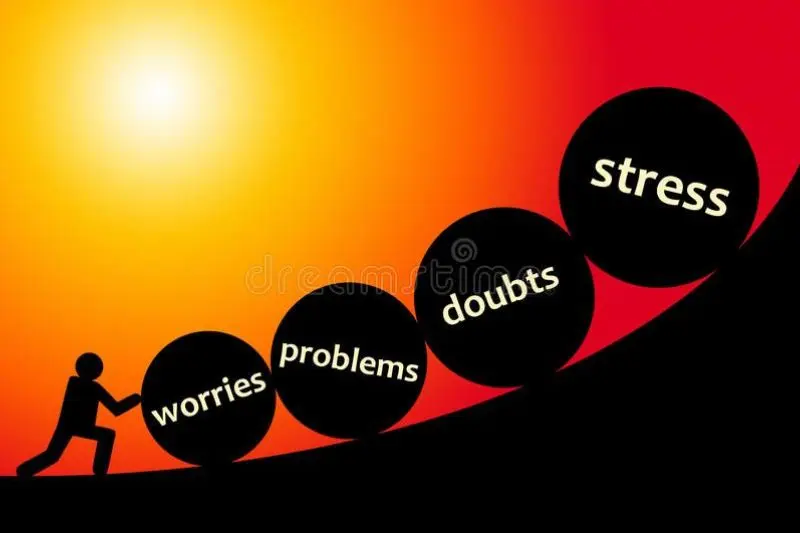
Managing stress effectively benefits every area of life. Long-term stress can increase the risk of health problems, including high blood pressure, anxiety, depression, digestive issues, and weakened immunity.
Learning stress management techniques that work helps you:
- Improve emotional stability
- Make better decisions under pressure
- Increase productivity
- Sleep more peacefully
- Strengthen relationships
- Improve physical health
- Reduce anxiety and burnout
- Increase overall happiness
Stress management is not just about feeling relaxed today. It is about building habits that support lifelong mental and physical wellness.
Detailed Step-by-Step Guide
Step 1: Identify Your Stress Triggers
The first step is understanding what causes your stress.
Common triggers include:
- Heavy workload
- Financial pressure
- Family conflicts
- Health concerns
- Lack of sleep
- Poor time management
Keep a journal for one week and record situations that make you feel stressed. Over time, patterns become easier to identify.
Example
If every Monday morning feels overwhelming because of meetings, you can prepare your schedule on Friday afternoon instead.
Step 2: Practice Deep Breathing
Breathing exercises calm the nervous system almost immediately.
A simple breathing method:
- Sit comfortably.
- Inhale slowly through your nose for four seconds.
- Hold your breath for four seconds.
- Exhale through your mouth for six seconds.
- Repeat for five minutes.
Deep breathing lowers heart rate and reduces muscle tension.
Step 3: Exercise Regularly
Physical activity is one of the most effective stress management techniques that work.
Exercise releases endorphins, which naturally improve mood.
Good options include:
- Walking
- Jogging
- Cycling
- Swimming
- Yoga
- Dancing
- Strength training
Aim for at least 30 minutes of moderate exercise most days of the week.
Step 4: Improve Sleep Quality
Poor sleep increases stress, while stress often disrupts sleep.
Healthy sleep habits include:
- Going to bed at the same time every night
- Avoiding screens before bedtime
- Keeping the bedroom cool and quiet
- Limiting caffeine in the evening
Adults generally benefit from seven to nine hours of sleep each night.
Step 5: Manage Your Time Better
Feeling overwhelmed often comes from poor planning rather than having too much work.
Helpful strategies include:
- Prioritize important tasks.
- Break large projects into smaller steps.
- Set realistic deadlines.
- Use a planner or digital calendar.
- Schedule short breaks throughout the day.
Effective time management reduces unnecessary pressure.
Step 6: Practice Mindfulness
Mindfulness means paying attention to the present moment without judgment.
Simple mindfulness activities include:
- Quiet meditation
- Mindful walking
- Paying attention while eating
- Observing your breathing
- Body scan exercises
Even ten minutes of daily mindfulness can reduce stress levels significantly.
Step 7: Maintain Healthy Relationships
Talking with trusted friends or family members provides emotional support.
Healthy relationships help people:
- Feel understood
- Gain different perspectives
- Reduce feelings of loneliness
- Solve problems more effectively
Sometimes simply sharing your concerns can make them feel more manageable.
Step 8: Eat a Balanced Diet
Nutrition directly affects mood and energy.
Choose foods like:
- Fresh fruits
- Vegetables
- Whole grains
- Lean protein
- Healthy fats
- Plenty of water
Limit:
- Sugary snacks
- Excess caffeine
- Alcohol
- Highly processed foods
A balanced diet supports both brain function and emotional health.
Step 9: Learn to Say No
Many people become stressed because they take on too many responsibilities.
It is perfectly acceptable to:
- Decline extra work
- Set personal boundaries
- Protect your free time
- Prioritize your well-being
Healthy boundaries prevent burnout.
Step 10: Make Time for Activities You Enjoy
Relaxation is not a luxury.
Activities like reading, gardening, painting, cooking, listening to music, or spending time outdoors help your mind recover from daily pressures.
Schedule enjoyable activities regularly instead of waiting until you feel exhausted.
Benefits of Stress Management Techniques That Work
Practicing effective stress management offers numerous advantages:
- Improves emotional resilience
- Enhances concentration and memory
- Reduces anxiety symptoms
- Promotes better sleep quality
- Supports heart health
- Lowers blood pressure
- Strengthens the immune system
- Increases energy levels
- Improves relationships
- Encourages healthier lifestyle habits
- Boosts workplace productivity
- Helps prevent burnout
- Increases confidence when facing challenges
- Improves overall life satisfaction
Small daily improvements often create significant long-term benefits.
Disadvantages / Risks
Although stress management is highly beneficial, there are a few limitations:
- Results may take time to appear.
- Different techniques work for different people.
- Consistency is required for lasting improvement.
- Severe stress may require professional support.
- Some people give up too early because they expect immediate results.
- Lifestyle changes can initially feel challenging.
Understanding these limitations helps create realistic expectations.
Common Mistakes to Avoid
Many people unintentionally reduce the effectiveness of their stress management efforts.
Avoid these common mistakes:
- Ignoring stress until it becomes overwhelming
- Skipping sleep to complete more work
- Depending only on caffeine for energy
- Avoiding exercise because of a busy schedule
- Expecting instant results
- Trying too many techniques at once
- Comparing your progress with others
- Neglecting healthy eating habits
- Working without regular breaks
- Keeping emotions bottled up
Consistency matters more than perfection.
FAQs
1. What are the most effective stress management techniques?
Deep breathing, exercise, mindfulness meditation, proper sleep, balanced nutrition, and good time management are among the most effective methods. Combining several techniques usually provides the best results.
2. How long does it take for stress management techniques to work?
Some methods, like breathing exercises, provide immediate relief within minutes. Others, such as exercise routines and mindfulness practice, may require several weeks of consistency before producing noticeable long-term improvements.
3. Can stress ever be beneficial?
Yes. Short-term stress can improve focus, motivation, and performance during important situations. Problems usually develop when stress becomes chronic and remains unmanaged.
4. How often should I practice stress management?
Daily practice is ideal. Even spending fifteen to twenty minutes each day on relaxation, exercise, or mindfulness can produce lasting improvements in mental health.
5. When should I seek professional help?
If stress begins affecting your work, relationships, sleep, or physical health for an extended period, speaking with a qualified mental health professional is recommended. Professional guidance can provide personalized coping strategies.
6. Can children and teenagers benefit from stress management?
Absolutely. Young people experience academic pressure, social challenges, and family stress. Age-appropriate relaxation techniques, healthy routines, and supportive communication can help them develop lifelong coping skills.
Expert Tips & Bonus Points
To maximize the effectiveness of stress management techniques that work, consider these expert recommendations:
- Start with one new habit instead of changing everything at once.
- Create a consistent morning routine.
- Spend time outdoors whenever possible.
- Practice gratitude by writing three positive things each day.
- Reduce unnecessary screen time before bed.
- Stay hydrated throughout the day.
- Listen to calming music during stressful moments.
- Celebrate small improvements rather than seeking perfection.
- Keep emergency relaxation techniques ready for difficult situations.
- Review your progress every month and adjust your routine if necessary.
Remember that successful stress management is a lifelong journey rather than a one-time solution.
Conclusion
Stress is an unavoidable part of modern life, but it does not have to control your happiness, health, or future. Learning and applying stress management techniques that work empowers you to face challenges with greater confidence and resilience. Small daily habits such as deep breathing, regular exercise, quality sleep, healthy eating, mindfulness, and effective time management gradually build a stronger foundation for both mental and physical well-being.
The most important step is consistency. You do not need to completely transform your lifestyle overnight. Instead, begin with one or two practical techniques that fit naturally into your daily routine. As these habits become automatic, you can gradually add new strategies and continue improving your ability to handle life’s pressures.
Remember that everyone experiences stress differently, so finding the combination of methods that works best for you may take some experimentation. Be patient with yourself during the process, and focus on steady progress rather than perfection.
By making stress management a regular part of your lifestyle, you can improve your relationships, enhance productivity, enjoy better health, and experience a greater sense of balance every day. Investing in your mental well-being today will continue to benefit you for years to come, helping you lead a calmer, healthier, and more fulfilling life.