


Introduction
A balanced diet plan for everyday health is one of the most effective ways to improve your overall well-being. The food you eat every day directly affects your energy levels, immune system, mood, and long-term health. Whether your goal is to maintain a healthy weight, prevent disease, or simply feel more energetic, eating a balanced diet is the foundation of a healthy lifestyle.
Many people believe healthy eating requires expensive ingredients or strict meal plans. In reality, creating a balanced diet is much simpler than most people think. By choosing a variety of nutrient-rich foods and practicing portion control, you can enjoy delicious meals while meeting your body’s nutritional needs.
A good diet includes carbohydrates, proteins, healthy fats, vitamins, minerals, fiber, and plenty of water. When these nutrients work together, they help your body function efficiently and support both physical and mental health.
This guide explains everything beginners need to know about building a balanced diet plan for everyday health. You’ll learn what a balanced diet is, why it matters, practical steps for creating healthy meals, common mistakes to avoid, and expert tips that make healthy eating easier. Whether you’re just starting your wellness journey or looking to improve your current habits, this guide will help you make informed food choices every day.
What is a Balanced Diet Plan for Everyday Health?
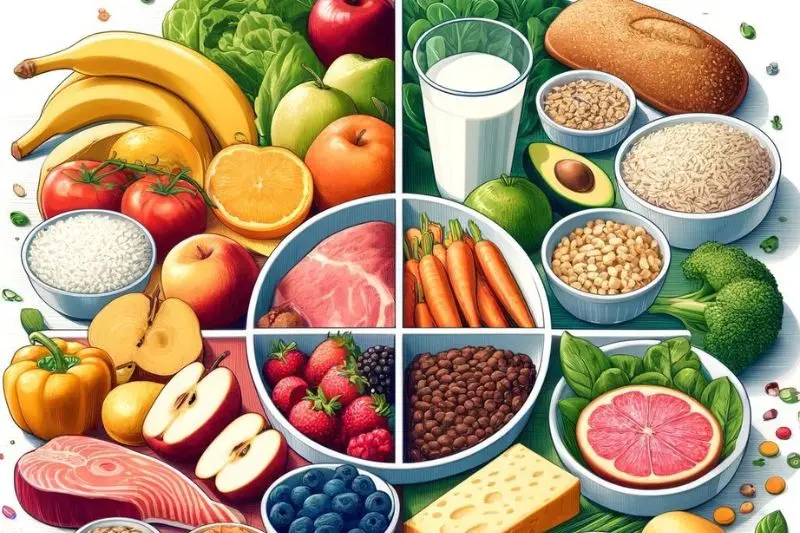
A balanced diet plan for everyday health is a way of eating that provides your body with the right amount of nutrients it needs to perform daily activities and maintain overall wellness.
Rather than focusing on eliminating certain foods, a balanced diet encourages variety and moderation. Every meal should include different food groups that work together to nourish your body.
A balanced diet generally consists of:
- Whole grains for energy
- Fresh fruits and vegetables for vitamins and minerals
- Lean proteins for muscle growth and repair
- Healthy fats for brain and heart health
- Dairy or dairy alternatives for calcium
- Plenty of water for hydration
For example, a healthy lunch could include grilled chicken, brown rice, steamed vegetables, and a piece of fruit. This meal provides protein, complex carbohydrates, fiber, vitamins, and healthy nutrients in appropriate proportions.
The goal is consistency rather than perfection. Healthy eating habits practiced daily often produce better long-term results than temporary restrictive diets.
Why is Balanced Diet Plan for Everyday Health Important?

Eating nutritious foods every day benefits nearly every part of your body.
A balanced diet helps maintain healthy body weight because it provides satisfying foods without excessive calories. It also stabilizes blood sugar levels, reducing energy crashes throughout the day.
Good nutrition strengthens the immune system, making it easier for your body to fight infections and recover from illness. Vitamins such as Vitamin C, Vitamin D, zinc, and antioxidants all contribute to stronger immunity.
Healthy eating also improves heart health by reducing unhealthy cholesterol levels and maintaining healthy blood pressure. Foods rich in fiber, healthy fats, and potassium support cardiovascular function.
Mental health also benefits from proper nutrition. Nutrient-rich foods help support brain function, concentration, memory, and emotional well-being.
Other important reasons include:
- Better digestion
- Stronger bones
- Improved muscle recovery
- Healthier skin and hair
- Reduced risk of chronic diseases
- Increased daily energy
- Better sleep quality
Over time, following a balanced diet plan for everyday health can significantly improve both your quality of life and longevity.
Detailed Step-by-Step Guide
Step 1: Understand the Major Food Groups
The first step is learning about the major food groups.
Each group serves a different purpose in keeping your body healthy.
Carbohydrates
Carbohydrates provide your body’s primary source of energy.
Choose healthier options like:
- Brown rice
- Oats
- Whole wheat bread
- Sweet potatoes
- Quinoa
Limit refined carbohydrates such as white bread, sugary cereals, and pastries.
Protein
Protein supports muscle repair, hormone production, and immune health.
Excellent protein sources include:
- Chicken
- Fish
- Eggs
- Beans
- Lentils
- Greek yogurt
- Tofu
Healthy Fats
Healthy fats support brain development and heart health.
Choose foods like:
- Avocados
- Olive oil
- Almonds
- Walnuts
- Chia seeds
- Flaxseeds
Avoid excessive intake of trans fats and heavily processed fried foods.
Fruits and Vegetables
Aim to fill half your plate with colorful fruits and vegetables.
Different colors provide different nutrients:
- Green vegetables provide iron and folate.
- Orange vegetables offer beta-carotene.
- Berries contain powerful antioxidants.
- Citrus fruits provide Vitamin C.
Eating a wide variety ensures better overall nutrition.
Step 2: Practice Portion Control
Healthy eating is not only about food choices but also about serving sizes.
Even nutritious foods can contribute to weight gain when eaten excessively.
A simple plate method works well:
- Half plate vegetables
- One-quarter lean protein
- One-quarter whole grains
Using smaller plates can naturally reduce portion sizes without making you feel deprived.
Eat slowly and stop when comfortably full rather than completely stuffed.
Step 3: Eat Regular Meals
Skipping meals often leads to overeating later in the day.
Instead, establish consistent meal times.
A typical daily schedule might include:
- Healthy breakfast
- Mid-morning fruit
- Balanced lunch
- Afternoon healthy snack
- Nutritious dinner
Regular meals help maintain steady blood sugar levels and consistent energy throughout the day.
Step 4: Stay Properly Hydrated
Water is an essential part of every healthy eating plan.
Hydration supports digestion, circulation, body temperature regulation, and nutrient transportation.
Simple hydration tips include:
- Drink water before meals.
- Carry a reusable water bottle.
- Limit sugary beverages.
- Increase water intake during hot weather and exercise.
Many people confuse thirst with hunger, leading to unnecessary snacking.
Step 5: Choose Healthy Snacks
Snacking is not unhealthy when done wisely.
Nutritious snacks help maintain energy between meals without adding excessive calories.
Good snack options include:
- Fresh fruit
- Mixed nuts
- Plain yogurt
- Cottage cheese
- Hummus with vegetables
- Apple slices with peanut butter
- Boiled eggs
Avoid snacks high in added sugars and unhealthy fats.
Step 6: Reduce Added Sugar and Salt
Many processed foods contain hidden sugars and sodium.
Reading nutrition labels can help you make healthier choices.
Try replacing sugary desserts with naturally sweet fruits and season meals with herbs, spices, garlic, lemon juice, or black pepper instead of excessive salt.
Reducing sugar intake lowers the risk of obesity, diabetes, and tooth decay, while limiting sodium supports healthy blood pressure.
Step 7: Plan Your Meals in Advance
Meal planning is one of the easiest ways to stick to a balanced diet plan for everyday health. When you decide your meals ahead of time, you’re less likely to rely on unhealthy fast food or processed snacks.
Start by creating a weekly menu that includes breakfast, lunch, dinner, and healthy snacks. Prepare ingredients in advance by washing vegetables, cooking grains, or portioning snacks into small containers.
Sample One-Day Balanced Meal Plan
Breakfast
- Oatmeal topped with fresh berries and almonds
- A boiled egg
- A glass of low-fat milk or a dairy-free alternative
Morning Snack
- An apple with a handful of walnuts
Lunch
- Grilled chicken breast
- Brown rice
- Mixed green salad with olive oil and lemon dressing
Afternoon Snack
- Plain yogurt with sliced banana
Dinner
- Baked fish
- Steamed broccoli
- Sweet potato
Evening Option
- Herbal tea or fresh fruit if you’re still hungry
This sample menu provides a healthy balance of carbohydrates, protein, healthy fats, vitamins, and minerals while keeping portions moderate.
Benefits of Balanced Diet Plan for Everyday Health
Following a balanced diet consistently offers numerous short-term and long-term benefits.
- Provides steady energy throughout the day.
- Supports healthy weight management.
- Strengthens the immune system.
- Improves heart health.
- Helps maintain healthy blood pressure.
- Promotes better digestion through fiber-rich foods.
- Supports healthy skin, hair, and nails.
- Improves concentration and memory.
- Reduces the risk of chronic diseases such as type 2 diabetes and heart disease.
- Strengthens bones and muscles.
- Enhances mood and emotional well-being.
- Encourages better sleep quality.
- Helps the body recover more efficiently after physical activity.
- Promotes healthy aging by supplying essential nutrients.
Disadvantages / Risks
Although a balanced diet is highly beneficial, there are a few challenges people may experience when adopting healthier eating habits.
- Initial meal planning requires extra time.
- Fresh produce may cost more than processed foods in some areas.
- Changing long-standing eating habits can be difficult.
- Busy schedules may make home cooking challenging.
- Portion control may take practice.
- Strictly avoiding favorite foods can lead to frustration if moderation isn’t practiced.
- Following popular diet trends instead of balanced nutrition may create nutrient deficiencies.
Fortunately, these challenges become easier to manage as healthy habits become part of your daily routine.
Common Mistakes to Avoid
Many people unintentionally make mistakes that reduce the effectiveness of their healthy eating plan.
One common mistake is skipping breakfast. Missing the first meal of the day often leads to overeating later.
Another mistake is eliminating entire food groups without medical advice. Your body requires carbohydrates, proteins, and healthy fats to function properly.
Relying too heavily on processed “healthy” foods can also be misleading. Many packaged products contain hidden sugars, sodium, and preservatives.
Other mistakes include:
- Drinking too little water.
- Eating oversized portions.
- Consuming sugary drinks regularly.
- Ignoring food labels.
- Eating too quickly.
- Depending on supplements instead of whole foods.
- Not eating enough fruits and vegetables.
- Frequently choosing fried foods over grilled or baked options.
Avoiding these habits makes it easier to maintain a balanced diet over the long term.
FAQs
1. What foods should be included in a balanced diet every day?
A balanced diet should include whole grains, lean proteins, healthy fats, fruits, vegetables, dairy or fortified alternatives, and plenty of water. Eating a variety of foods ensures your body receives all the nutrients it needs.
2. Can a balanced diet help with weight loss?
Yes. A balanced diet supports healthy weight loss by providing satisfying, nutrient-rich foods while helping control calorie intake. Combining healthy eating with regular physical activity usually produces the best results.
3. How much water should I drink daily?
Most adults benefit from around 2–3 liters of water per day, although individual needs vary depending on age, climate, and activity level. Drinking water regularly throughout the day is generally better than consuming large amounts at once.
4. Is it okay to eat snacks between meals?
Absolutely. Healthy snacks can prevent excessive hunger and help maintain stable energy levels. Fruits, yogurt, nuts, boiled eggs, and vegetables with hummus are excellent snack choices.
5. Do I need to avoid carbohydrates completely?
No. Carbohydrates are an important energy source. Instead of avoiding them, choose healthier options such as oats, brown rice, whole-grain bread, quinoa, and sweet potatoes while limiting refined carbohydrates and sugary foods.
6. How can beginners start eating healthier?
Begin with small, realistic changes. Add more vegetables to meals, replace sugary drinks with water, choose whole grains, cook more meals at home, and reduce processed foods gradually. Consistency matters more than perfection.
7. Can children and older adults follow a balanced diet?
Yes. People of all ages benefit from balanced nutrition. However, calorie and nutrient needs vary depending on age, growth, activity level, and medical conditions. Adjust portion sizes accordingly while maintaining dietary variety.
Expert Tips & Bonus Points
Healthy eating becomes much easier when you build simple daily habits rather than chasing perfection.
Here are some practical expert recommendations:
- Fill half your plate with vegetables whenever possible.
- Eat slowly and pay attention to hunger and fullness cues.
- Cook more meals at home to control ingredients.
- Read nutrition labels before buying packaged foods.
- Choose seasonal fruits and vegetables for freshness and affordability.
- Keep healthy snacks readily available.
- Limit sugary drinks and replace them with water or unsweetened beverages.
- Enjoy occasional treats in moderation without feeling guilty.
- Aim for consistency instead of following restrictive diets.
- Combine a balanced diet with regular exercise, adequate sleep, and stress management for the best overall health.
Small improvements practiced consistently often produce better long-term results than drastic changes that are difficult to maintain.
Conclusion
A balanced diet plan for everyday health is not about following strict rules or giving up your favorite foods. Instead, it focuses on creating sustainable eating habits that nourish your body with the nutrients it needs to perform at its best. By including whole grains, lean proteins, healthy fats, colorful fruits and vegetables, and plenty of water in your daily routine, you build a strong foundation for lifelong wellness.
Healthy eating also supports many aspects of life beyond physical health. It can improve energy levels, mental focus, mood, digestion, sleep quality, and immune function while reducing the risk of many chronic diseases. These benefits grow over time as nutritious choices become consistent habits rather than temporary changes.
Remember that perfection isn’t necessary. Small improvements, such as choosing healthier snacks, reducing sugary drinks, cooking more meals at home, or practicing portion control, can make a significant difference over the months and years ahead. Every healthy choice contributes to better overall well-being.
Ultimately, the most successful balanced diet plan for everyday health is one that fits your lifestyle, preferences, and personal goals. Stay patient, remain consistent, and focus on progress instead of perfection. By making informed food choices every day, you can enjoy better health, increased vitality, and a higher quality of life for years to come.


