


Introduction
Starting a healthy lifestyle often begins with improving the way you eat. Many people believe healthy eating requires expensive foods, strict diets, or giving up all their favorite meals. In reality, a Healthy Eating Guide for Beginners is about making smarter food choices, creating balanced meals, and building habits that you can maintain for years. Healthy eating is not about perfection but about consistency and moderation.
Whether your goal is to lose weight, gain energy, improve your immune system, or simply feel better every day, learning the basics of nutrition is one of the most valuable investments you can make. Small changes such as drinking more water, eating more vegetables, choosing whole grains, and reducing processed foods can produce remarkable long-term results.
The good news is that healthy eating doesn’t have to be confusing. With a little planning and the right knowledge, anyone can develop healthier eating habits regardless of age or lifestyle. This guide explains everything beginners need to know, from understanding balanced nutrition to creating practical meal plans and avoiding common mistakes.
By following this Healthy Eating Guide for Beginners, you’ll build confidence in making healthier food choices while enjoying delicious meals that nourish both your body and mind.
What Is a Healthy Eating Guide for Beginners?
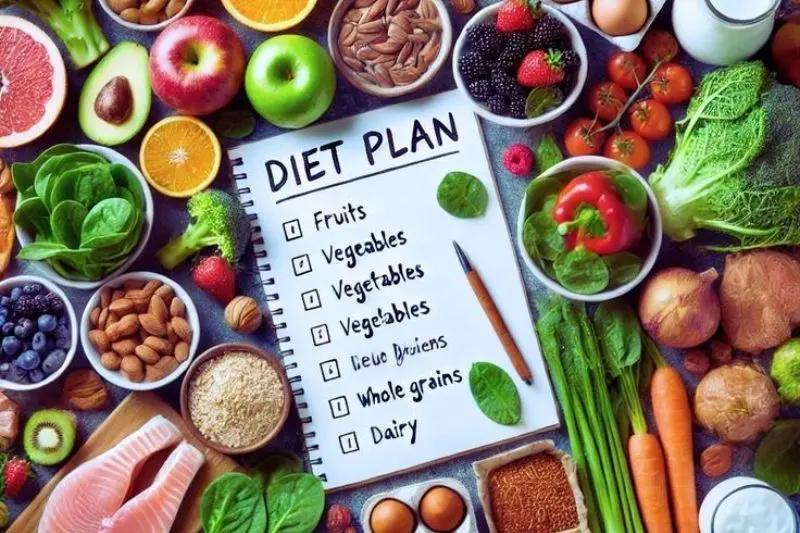
A Healthy Eating Guide for Beginners is a practical approach to learning how to eat nutritious foods in the right portions while maintaining balance and variety. Instead of following temporary fad diets, it focuses on developing lifelong habits that support overall health.
Healthy eating means consuming foods that provide essential nutrients, including:
- Protein
- Healthy fats
- Complex carbohydrates
- Vitamins
- Minerals
- Fiber
- Water
Rather than eliminating entire food groups, healthy eating encourages moderation. You can still enjoy occasional treats while making nutritious foods the foundation of your daily meals.
A beginner-friendly eating plan should be:
- Easy to understand
- Affordable
- Flexible
- Sustainable
- Suitable for your lifestyle
Healthy eating is not about eating less—it’s about eating better.
Why Is Healthy Eating Important?
Good nutrition affects nearly every part of your body. The foods you eat provide fuel for your brain, muscles, organs, and immune system.
Some of the biggest reasons healthy eating matters include:
Better Energy Levels
Nutritious foods provide steady energy throughout the day instead of causing sudden sugar crashes.
Stronger Immune System
Foods rich in vitamins and antioxidants help your body fight infections and recover more quickly.
Healthy Weight Management
Balanced meals reduce overeating and support a healthy metabolism without extreme dieting.
Improved Heart Health
Eating more fruits, vegetables, whole grains, and healthy fats helps maintain healthy cholesterol and blood pressure.
Better Mental Health
Research shows that balanced nutrition can improve mood, concentration, and emotional well-being.
Strong Bones and Muscles
Calcium, protein, vitamin D, and magnesium play important roles in maintaining strength as you age.
Reduced Risk of Chronic Diseases
Healthy eating may lower the risk of:
- Type 2 diabetes
- Heart disease
- High blood pressure
- Obesity
- Certain cancers
Simply put, every healthy meal is an investment in your future health.
Detailed Step-by-Step Guide
Step 1: Understand the Basics of Balanced Nutrition
A balanced meal contains different nutrients working together.
Aim to include:
- Lean protein
- Whole grains
- Fruits
- Vegetables
- Healthy fats
For example:
Grilled chicken, brown rice, steamed broccoli, and avocado create a balanced meal with protein, carbohydrates, fiber, and healthy fats.
Step 2: Fill Half Your Plate with Vegetables
Vegetables are packed with nutrients while being naturally low in calories.
Excellent choices include:
- Spinach
- Broccoli
- Carrots
- Cucumbers
- Bell peppers
- Tomatoes
- Cauliflower
- Green beans
Eating colorful vegetables ensures you receive a wide range of vitamins and minerals.
Fresh, frozen, and lightly cooked vegetables are all nutritious options.
Step 3: Choose Whole Grains Instead of Refined Grains
Whole grains contain more fiber and nutrients than refined grains.
Good options include:
- Brown rice
- Oats
- Whole wheat bread
- Whole grain pasta
- Quinoa
- Barley
Fiber supports digestion, keeps you full longer, and helps stabilize blood sugar levels.
Step 4: Include Lean Protein in Every Meal
Protein supports muscle growth, tissue repair, and satiety.
Healthy protein choices include:
- Chicken breast
- Fish
- Eggs
- Greek yogurt
- Lentils
- Beans
- Tofu
- Nuts
- Seeds
Try to include protein with breakfast, lunch, and dinner.
Step 5: Eat Healthy Fats Without Fear
Many beginners mistakenly avoid all fats.
Your body actually needs healthy fats for:
- Brain function
- Hormone production
- Vitamin absorption
- Heart health
Healthy fat sources include:
- Avocados
- Olive oil
- Almonds
- Walnuts
- Chia seeds
- Flaxseeds
- Fatty fish
Limit foods containing trans fats and excessive saturated fats.
Step 6: Drink Plenty of Water
Hydration is often overlooked in a healthy eating plan.
Water helps:
- Regulate body temperature
- Support digestion
- Improve concentration
- Prevent dehydration
- Maintain healthy skin
Most adults should aim to drink enough water throughout the day, increasing intake during hot weather or physical activity.
If plain water feels boring, add slices of lemon, cucumber, or fresh mint.
Step 7: Control Portion Sizes
Eating healthy foods in very large amounts can still lead to excessive calorie intake.
Simple portion control tips include:
- Use smaller plates.
- Eat slowly.
- Stop eating when comfortably full.
- Avoid eating directly from large packages.
- Measure servings until you become familiar with portion sizes.
Mindful eating helps prevent overeating without feeling deprived.
Step 8: Reduce Added Sugar and Processed Foods
Many packaged foods contain hidden sugars, unhealthy fats, and excessive sodium.
Try to limit:
- Sugary drinks
- Candy
- Packaged snacks
- Fast food
- Sweet desserts
- Highly processed frozen meals
Instead, choose natural alternatives like fruit, yogurt, homemade popcorn, or mixed nuts for snacks.
Step 9: Plan Your Meals in Advance
Meal planning saves time, reduces food waste, and makes healthy choices easier.
A simple weekly routine may include:
- Plan meals for the week.
- Create a shopping list.
- Buy fresh ingredients.
- Prepare meals in advance.
- Store portions in containers.
Having healthy meals ready reduces the temptation to order unhealthy takeout during busy days.
Step 10: Build Healthy Habits Gradually
One of the biggest mistakes beginners make is trying to change everything at once.
Instead, introduce one new habit each week.
For example:
- Week 1: Drink more water.
- Week 2: Eat vegetables with dinner.
- Week 3: Replace white bread with whole-grain bread.
- Week 4: Prepare healthy breakfasts.
Small, consistent improvements are easier to maintain than drastic lifestyle changes.
- Benefits of Healthy Eating
- Disadvantages / Risks
- Common Mistakes to Avoid
- 6 Detailed FAQs
- Expert Tips & Bonus Points
- Conclusion (200–250 words)
Benefits of a Healthy Eating Guide for Beginners
Following a Healthy Eating Guide for Beginners offers far more than short-term improvements. Healthy eating supports your body and mind while helping you build habits that last a lifetime.
Some of the key benefits include:
- Increased energy throughout the day.
- Better digestion due to higher fiber intake.
- Stronger immune system to help fight illnesses.
- Healthier skin, hair, and nails.
- Improved concentration and mental clarity.
- Better weight management without extreme dieting.
- Lower risk of heart disease, high blood pressure, and type 2 diabetes.
- Stronger bones and muscles through proper nutrition.
- Improved mood and emotional well-being.
- Better sleep quality when meals are balanced and eaten at regular times.
Over time, these benefits combine to create a healthier and more active lifestyle, making everyday tasks easier and more enjoyable.
Disadvantages / Risks
Although healthy eating is beneficial, beginners may face a few challenges when making lifestyle changes.
Some common disadvantages or risks include:
- Healthy habits may take time to develop, requiring patience and consistency.
- Fresh fruits and vegetables can be more expensive in some areas.
- Meal planning and cooking require extra time compared to ordering fast food.
- Giving up sugary snacks and processed foods may feel difficult at first.
- Following overly restrictive diets instead of balanced eating can lead to nutrient deficiencies.
- Expecting immediate results may cause disappointment and reduce motivation.
The key is to focus on gradual progress rather than perfection. Small improvements made consistently often produce the best long-term results.
Common Mistakes to Avoid
Many beginners unknowingly make mistakes that slow their progress. Being aware of these habits can help you stay on the right track.
Skipping Meals
Missing meals often leads to excessive hunger and overeating later in the day.
Drinking Too Many Sugary Beverages
Soft drinks, sweetened teas, and flavored coffees can add a significant amount of unnecessary sugar and calories.
Eating Too Fast
Fast eating prevents your brain from recognizing when you’re full, increasing the chance of overeating.
Ignoring Portion Sizes
Even nutritious foods should be eaten in appropriate portions to maintain balance.
Following Fad Diets
Quick-fix diets may promise rapid results but are often difficult to maintain and may lack essential nutrients.
Avoiding All Fats
Healthy fats are necessary for brain function, hormone production, and overall health. Choose nutritious sources instead of eliminating fats entirely.
Not Reading Food Labels
Learning to check nutrition labels helps you identify hidden sugars, sodium, and unhealthy ingredients.
Expecting Overnight Results
Healthy eating is a lifelong habit. Focus on steady improvements rather than instant changes.
Frequently Asked Questions (FAQs)
1. What is the easiest way for beginners to start eating healthy?
Start with one or two simple changes instead of completely changing your diet. For example, drink more water, add vegetables to each meal, and replace refined grains with whole grains. Small habits are easier to maintain over time.
2. Can I still eat my favorite foods?
Yes. Healthy eating is about balance rather than strict restriction. Enjoy your favorite foods occasionally while making nutritious choices most of the time. Moderation helps create sustainable habits.
3. How much water should I drink every day?
Water needs vary depending on age, activity level, and climate. A general goal is to drink enough water throughout the day so that you stay well hydrated. Increase your intake during exercise or hot weather.
4. Are healthy foods expensive?
Not necessarily. Many affordable foods are highly nutritious, including oats, brown rice, beans, lentils, eggs, seasonal fruits, frozen vegetables, and canned fish. Planning meals and buying in bulk can also reduce costs.
5. How long does it take to see results from healthy eating?
Some people notice improved energy and digestion within a few weeks. Changes in weight, fitness, and overall health usually become more noticeable after several weeks or months of consistent healthy habits.
6. Do I need supplements if I eat healthy?
Most people can meet their nutritional needs through a balanced diet. However, some individuals may require supplements based on age, health conditions, or medical advice. Consult a healthcare professional before taking any supplements regularly.
Expert Tips & Bonus Points
If you want long-term success, keep these practical tips in mind:
- Prepare healthy snacks before you become hungry.
- Eat a variety of colorful fruits and vegetables each week.
- Cook more meals at home to control ingredients and portion sizes.
- Include protein with every meal to stay satisfied longer.
- Read nutrition labels before purchasing packaged foods.
- Keep healthy foods visible and easy to reach.
- Avoid grocery shopping when you’re hungry.
- Practice mindful eating by focusing on your meal instead of screens.
- Allow yourself occasional treats without guilt to maintain balance.
- Track your progress through healthy habits rather than focusing only on the number on the scale.
Remember that lasting health is built through consistency. Every nutritious choice you make contributes to your overall well-being.
Conclusion
Beginning a healthier lifestyle doesn’t require complicated meal plans or strict dieting. The Healthy Eating Guide for Beginners shows that lasting success comes from making simple, practical choices every day. By eating a balanced diet rich in fruits, vegetables, whole grains, lean proteins, and healthy fats, you provide your body with the nutrients it needs to function at its best.
Healthy eating is not about being perfect or avoiding every indulgence. Instead, it is about creating sustainable habits that fit your lifestyle and support your long-term goals. Small steps, such as drinking more water, planning meals, controlling portions, and reducing processed foods, can lead to significant improvements in energy, digestion, and overall health.
There may be challenges along the way, but consistency is far more important than perfection. Celebrate your progress, learn from occasional setbacks, and continue making positive choices. Over time, these habits become part of your daily routine, making healthy living feel natural rather than difficult.
Whether your goal is to improve your fitness, maintain a healthy weight, prevent chronic diseases, or simply feel your best, this Healthy Eating Guide for Beginners provides a strong foundation for success. Start with one healthy change today, build upon it tomorrow, and enjoy the lasting benefits of a balanced and nutritious lifestyle.


